Introduction
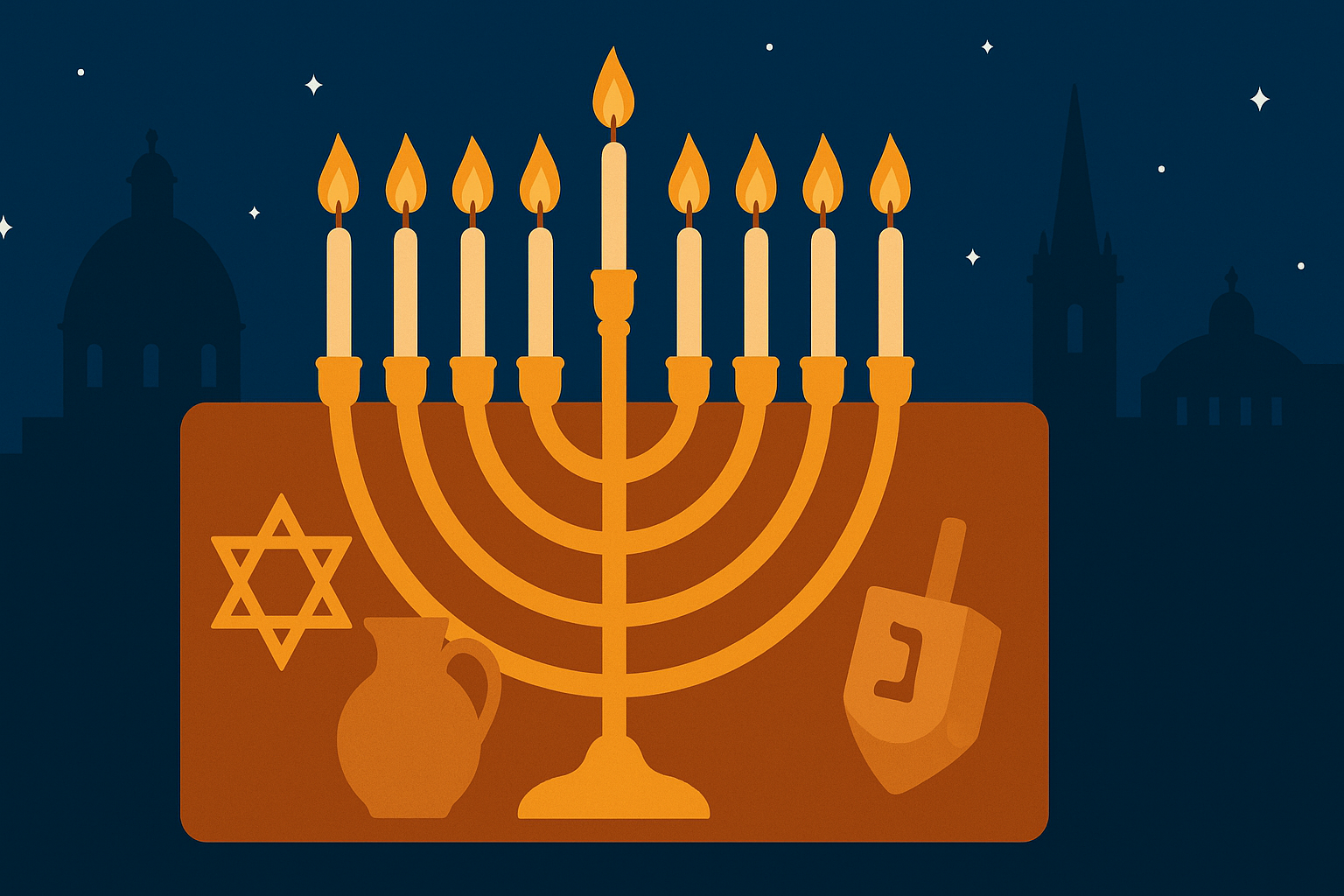
Why Is Hanukkah Celebrated For 8 Days? That short question opens a layered story of rebellion, devotion, law, ritual and a memorable miracle. Centuries ago Judean fighters reclaimed the Temple and held an eight-day dedication. Later rabbinic tradition told a moving tale: a single sealed jar of consecrated oil — enough for one day — burned for eight nights. Over time, history and legend joined, giving the holiday both a civic memory and a spiritual image.
Background & History — the core story
What happened? Simple and clear.
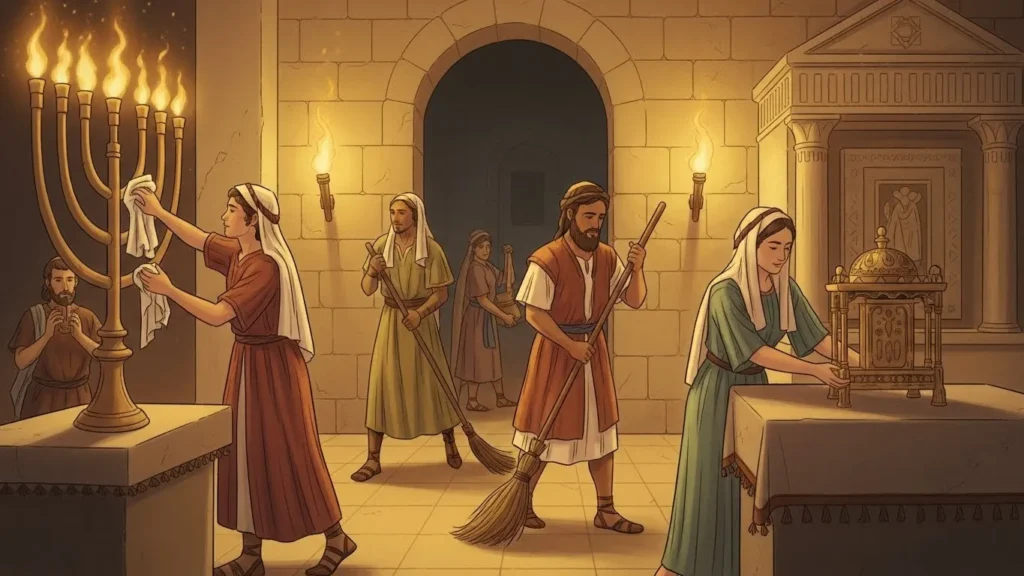
Around the 2nd century BCE, the Jewish people in Judea faced heavy pressure from a ruling power that tried to impose foreign customs and ban Jewish practices. A group of rebels led by the Maccabees fought back. They reclaimed Jerusalem and found the Temple desecrated and in need of cleaning. After repairs and purification, the Temple was rededicated. The people celebrated that rededication for eight days. That public celebration is the historical root of what later became the holiday we call Hanukkah.
Two strands that became one
Over time, two different but related stories were told about that rededication. First, the historical record (in books that tell the Maccabees’ story) reports an eight-day dedication and celebration. Second, later religious writings—rabbinic texts—tell a luminous story about a jar of oil: only one jar of ritually pure oil was found, enough for one day, yet the menorah burned for eight days. These two strands—history and narrative—came together. The historical event gave the festival its date and civic meaning. The later oil narrative supplied the ritual emphasis on light and oil.
Why eight days felt right
Numbers matter in ritual life. In Jewish tradition the number seven often stands for completion (think of the seven-day week and the Sabbath). The number eight then suggests something that goes beyond the normal cycle — an extra day that points to renewal, the miraculous, or new spiritual possibilities. Choosing an eight-day period for the rededication made the celebration rhythmical and memorable. Each night offered a chance for families and communities to gather, recall, and pass traditions from one generation to the next.
How memory turned into ritual
After the rededication, teachers and religious leaders shaped how later generations should remember it. Lighting lamps, telling the story, eating foods cooked in oil, singing songs, and even playing simple games for children became ways to keep the memory alive. Over centuries the eight-night form remained central. The combination of a historical dedication and a miracle story helped Hanukkah remain meaningful in both civic and personal life.
The Talmudic oil miracle explained
Where does the oil story come from?
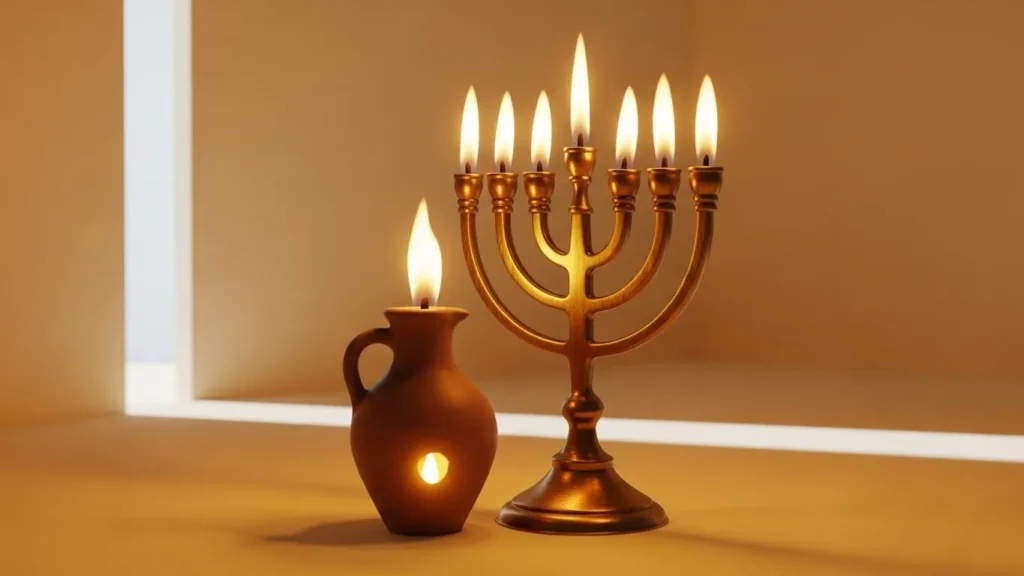
The well-known story about the oil appears in rabbinic writings. The narrative goes like this: after the Temple was purified, the priests looked for supplies to light the Temple lamp (menorah). They found only one sealed jar of ritually pure oil — enough to keep the lamp burning for one day. Miraculously, however, the lamp stayed lit for eight days. This gave time for priests to prepare new ritually pure oil. The story is short but powerful: a small resource, a great result, and the image of light enduring where darkness could have taken over.
Why the oil story matters to people
- Religious meaning: The oil tale frames Hanukkah as a sign of divine help — light that lasts beyond natural expectation. It turns a practical need (more oil) into a sign of hope and protection.
- Ritual practice: The oil story explains why lights are central. Families light candles at home to remember the Temple lamp. Food customs, especially foods cooked in oil, echo the story in a tangible, celebratory way.
- Emotional resonance: The image of a tiny supply giving light for many days appeals to people as a lesson of endurance, faith, and optimism.
How the rabbis formalized eight days — law & practice
After the events and the stories, rabbinic leaders worked out how people should observe Hanukkah. These decisions turned memory into a living practice.
Menorah / hanukkiah lighting rules
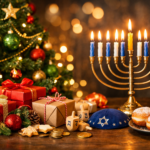
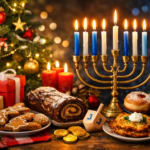
- A special lamp called the hanukkiah is used. It has eight branches for the eight nights plus a shamash (a helper candle).
- On night one, light one candle; on night two, light two; continue until night eight when all eight flames burn. The shamash is used to light the others and is not counted among the eight.
- Where to place the hanukkiah? Many place it in a window or by a door so passersby can see the lights — this is an act of pirsumei nisa (publicizing the miracle).
Prayers and liturgy
Special blessings are recited before lighting. Many communities also say parts of Hallel (psalms of praise) and sing songs of thanksgiving. Different communities have slightly different rites, but the focus is on light, gratitude, and communal memory.
Not a time for mourning
Unlike some commemorations that recall tragedy with sadness, Hanukkah is a festival of gladness. Rabbis emphasized that it is not a period for fasting or eulogies. The tone is celebratory, with family gatherings, singing, and good food.
Household vs. public observance
Two parallel modes developed:
- Household lighting — Families gather each night to light the hanukkiah, say blessings, and perhaps share a meal or snack. This personal ritual builds memory inside the home.
- Public menorah ceremonies — synagogues, community centers, and civic leaders sometimes host public lightings, speeches, and events. Public ceremonies make the festival visible to all and strengthen communal identity.
Legal discussions
Medieval and later Jewish law codes (like the Mishneh Torah and the Shulchan Aruch) discuss how to fulfill the lighting obligation, how many lights are needed, and where they should be placed. These texts guided communities toward practices that would be accepted as proper observance.
Rituals, foods & symbols for the eight nights
The eight-night structure gave rise to a rich set of customs that appeal to senses, family life, food and public ritual.
Candles and light — the visible heart of Hanukkah
- Progressive lighting: Each evening, families add one more candle. The growing light shows the spread of hope and joy.
- Shamash: A helper candle lights the others. The shamash is practical (so the Hanukkah lights are not used for regular illumination) and symbolic (it helps spread light).
- Placement: Putting the hanukkiah where others can see it (window, doorway) is central — the festival calls people to share the miracle publicly.
Foods of oil — tasting the story
- Latkes (potato pancakes): A beloved Ashkenazi dish. Crispy, warm and usually served with applesauce or sour cream.
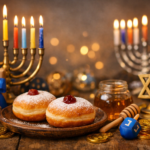
- Sufganiyot (jam-filled doughnuts): Very popular in Israel and many European bakeries; often made with creative fillings.
- Sephardic and Mediterranean dishes: In communities with Mediterranean roots, olive-oil fritters and other oil-based dishes mark the holiday.
Eating fried foods ties the table to the oil story and makes the past feel present in a delicious way.
Games and children’s customs — teaching through play
- Dreidel: A simple spinning top with Hebrew letters. The game is fun and connects players to a short phrase about the miracle.
- Gelt: Coins or chocolate coins given to children help teach sharing and add a playful note.
- Gifts: In many places, present-giving is now part of the season — influenced by local customs and the winter gift season, especially in the diaspora.
Music, stories and learning — passing memory on
Families and communities sing songs and tell the story to children. These actions pass traditions and make the historical and religious layers easy to remember.
Public menorahs and civic life — lighting in cities and towns
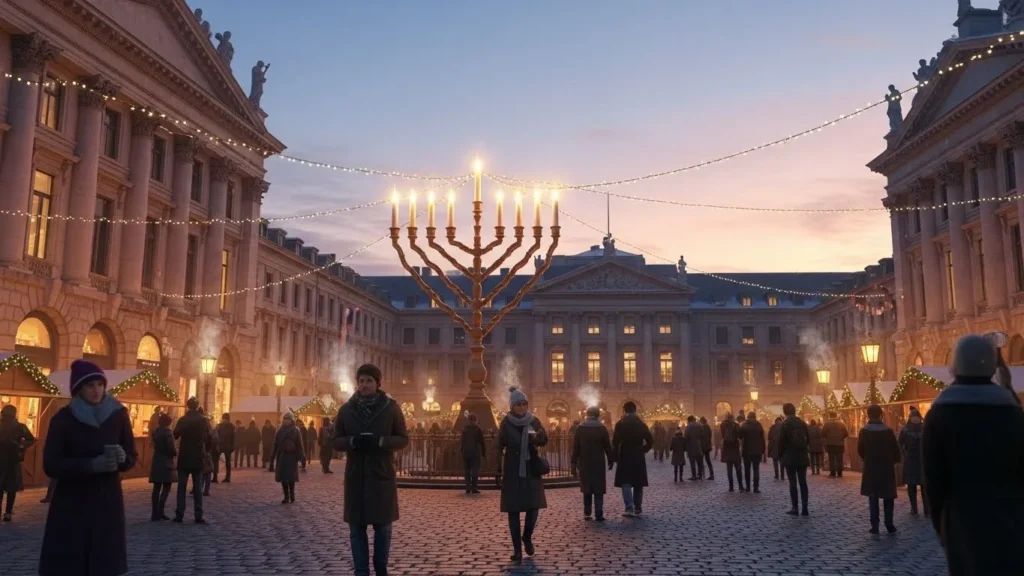
Large menorahs appear in plazas, parks, and public squares. Civic leaders sometimes join community events, showing the holiday’s presence in public life. Public ceremonies often include short talks, music, and community gatherings.
Why the symbols matter
Symbols — light, oil, food, song — make abstract history concrete. They let people feel the past through ritual. The nightly repetition of lighting builds a rhythm of memory, and the foods make the tale edible and family-friendly.
Short summary: The rituals of Hanukkah turn memory into sensory and social practices: lights that grow, foods that taste of oil, games that teach, and public events that invite everyone to watch.
European trends — how cities celebrate today
Public menorah ceremonies in major cities
- London: Outdoor menorah lightings and community events in central areas. These events often include music and short speeches.
- Paris: Celebrations happen in historic Jewish neighborhoods, sometimes featuring cultural performances alongside the menorah lighting.
- Berlin: Programs include concerts, museum events, and public menorah ceremonies that combine history and contemporary Jewish life.
- Milan & Rome: Food is central; communities spotlight Sephardic and Italian Jewish culinary traditions in events and special menus.
Public ceremonies help the holiday reach beyond the synagogue and make Hanukkah visible in the winter season.
Seasonal crossover with Christmas and winter markets
When Hanukkah falls close to Christmas, the public interest in “seasonal light” grows. Cities that host light festivals and Christmas markets sometimes also feature Jewish events, creating chances for cross-cultural attendance. This crossover can increase tourism and attention but also requires sensitivity to keep the distinct meanings clear.
Cultural programming and museum shows
Museums, cultural centers, and Jewish organizations in Europe often create Hanukkah-themed exhibitions, family workshops, concerts and film screenings. These programs educate the public and attract visitors, especially tourists interested in local history.
Food & markets — bakeries and cafés join in
Bakeries often sell special sufganiyot or create unique fillings to draw crowds. Cafés might add a Hanukkah menu with fried specialties. Food stalls at winter markets sometimes include Hanukkah treats, bringing the festival into the broader food scene.
Tourism and local calendars — practical advice for writers
If you write for a European audience (for trendyoccasion.com), add local event calendars, links to synagogue pages, and contact information for events. Visitors need details: dates, venues, RSVP links. That local data helps readers plan visits and increases your article’s usefulness.
Fashion & lifestyle ideas for Europe
Hanukkah sits in the middle of winter style season in Europe. This is a great time for content that mixes tradition and fashion.
Outfit suggestions — easy and elegant
- Smart-casual looks: Wool coats, turtleneck sweaters, neat boots — good for menorah lighting events and family dinners.
- Evening wear: Velvet blazers, modest cocktail dresses, or smart trousers and blouses for concerts or formal gatherings.
- Casual family outfits: Cozy knits, scarves, and comfortable shoes for keeping warm at markets and outdoor lightings.
Colors and accessories
- Colors: Deep blue, silver, white and warm neutrals connect to Hanukkah visuals.
- Accessories: Small menorah pendants, Star of David pins, or playful dreidel enamel pins add a festive touch without being over-the-top.
Sustainable style — a European priority
Recommend locally made or ethically sourced outerwear and garments.BSuggest pieces that can be re-used for multiple years so readers think long-term and eco-friendly.
Food, culture & activities — European flavors & family ideas
Food connects people and memories. Here are ideas to make Hanukkah tasty and local.
Traditional dishes with European twists
- Latkes: Offer herb versions, sweet potato latkes, or serve with local toppings like smoked salmon or regional chutneys.
- Sufganiyot: Bakeries can experiment with custard, salted caramel, pistachio, or regional fruit fillings to attract a crowd.
- Mediterranean fritters: In cities with Sephardic communities, suggest olive-oil fritters, borekas, or other oil-based pastries.
Workshops and hands-on events
- Latke-making classes: Perfect for families and food lovers; combine a short history talk with a cooking demo.
- Dreidel painting for kids: A creative craft that keeps children engaged and provides a take-home memory.
- Menorah crafting: Simple workshops where families create menorahs from safe materials.
Music and storytelling events
- Klezmer concerts or folk music nights bring energy and culture to Hanukkah programming.
- Story hours for children that retell the Hanukkah story in fun, age-appropriate language.
Tours and neighborhood events
- Hanukkah walks in historic Jewish quarters (Marais in Paris, Scheunenviertel in Berlin) can include history stops, local food sampling, and evening menorah lightings.
Travel tips — where to see Hanukkah in Europe
Top cities to visit for Hanukkah
- Paris: Rich Jewish history, public menorah events and neighborhood programming in the Marais.
- London: Multiple public menorah lightings, concerts, and kosher market options.
- Berlin: Contemporary Jewish culture, museums, and intimate menorah ceremonies.
- Rome & Milan: Strong food traditions and synagogue events in historic quarters.
- Amsterdam & Barcelona: Active communities with family-friendly programming.
Practical planning tips
- Confirm dates: Hanukkah follows the Hebrew calendar (25th of Kislev). Check Gregorian conversions for the year you plan to travel.
- RSVP and tickets: Some public ceremonies and concerts may require RSVP or tickets. Always check organizer pages.
- Kosher dining: Research kosher restaurants and reserve for special holiday meals.
- Weather & packing: European winters vary; pack warm layers and waterproof shoes for outdoor lightings and markets.
Budget and bookings
- Book early for trains, flights and popular events in big cities.
- Search local community calendars for free public menorah ceremonies — many are open to all.
Comparison table — main explanations for the 8 days
| Explanation | Core idea | Why it matters | Strength | Weakness |
| Talmudic oil miracle | One jar of oil lasted 8 days | Explains candle lighting & oil foods | Strong ritual image | Faith-based claim |
| Rededication (historical) | Maccabees held 8-day dedication | Gives festival date & civic meaning | Historical record | Less focus on lights |
| Sukkot link | Mirrors Sukkot + Shemini Atzeret form | Explains 8-day rhythm | Matches existing liturgy | Debated by historians |
| Combination theory | Mix of reasons over time | Most complete explanation | Accounts for ritual & history | Complex to summarize |
Pros & Cons of modern Hanukkah celebrations
Pros
- Family rhythm: Daily ritual brings families together for eight nights.
- High visual appeal: The light imagery works well online and in public spaces.
- Content-rich: Food, fashion, travel and events provide content for writers and organizers.
- Inclusive events: Public menorah lightings welcome diverse audiences and tourists.
Cons
- Commercialization: Gift-giving and shopping can shift focus away from the holiday’s meaning.
- Seasonal overlap: Winter holidays like Christmas can overshadow Hanukkah in some places.
- Diverse practices: Different community customs require sensitivity; generalizations can be misleading.
FAQs
A: The eight nights come from the Temple’s eight-day rededication and the rabbinic story that a small jar of oil lasted for eight days. Together they explain the eight nights.
A: Hanukkah starts on the 25th of Kislev in the Hebrew calendar. The corresponding Gregorian dates change each year. Always check a reliable calendar before planning travel or events.
A: No. Customs vary by community (Ashkenazi, Sephardi, Mizrahi) and by family. The core idea of eight nights is shared, but foods, songs, and minor practices differ.
A: Fried foods honor the oil theme from the story about the Temple lamp. Eating foods cooked in oil (like latkes and Sufganiyot) remembers that oil.
A: Yes. Many public menorah events welcome visitors. Check the event page or synagogue website for schedules and RSVP details.
Conclusion
Summary: The reason Why Is Hanukkah Celebrated For 8 Days is not a single short answer. It grows from history, law and story. The Maccabees’ rededication gave the festival its civic date and public shape. The Talmud’s oil miracle gave it the ritual of lights and the food customs. Later rabbinic rules and community habits turned these memories into an eight-night rhythm that families keep each year.