Introduction
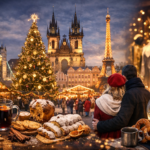
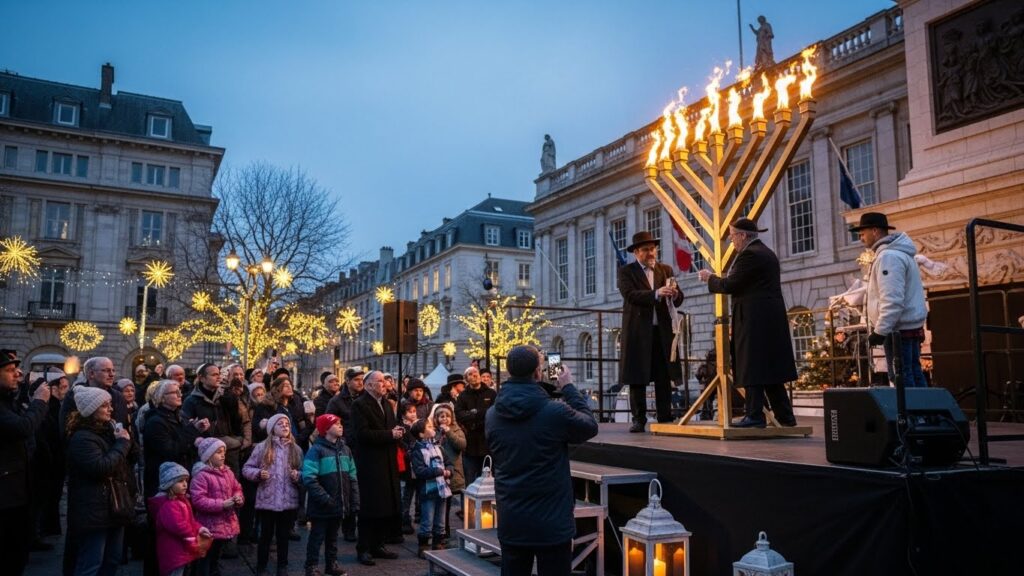
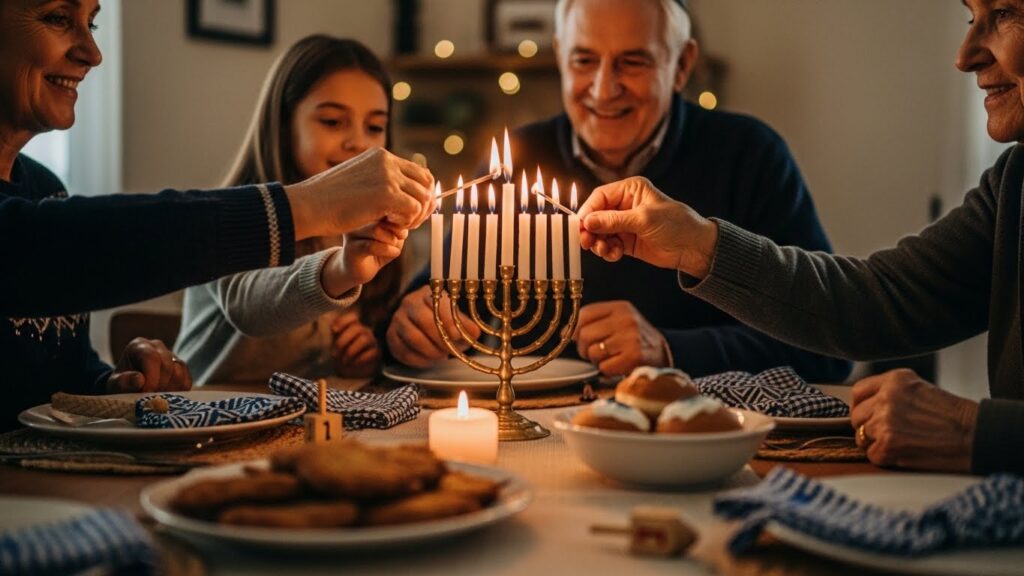
People usually ask “Where is Hanukkah celebrated?” because they want to see the menorah glow, taste festive foods, and share in community warmth.Hanukkah is celebrated wherever Jewish people live — in private homes, small synagogues, community centers, and large public squares. In some places it’s a quiet, intimate family ritual. In others it’s a visible, bustling civic festival with large menorahs, fetes, kosher food stalls, and seasonal markets.
Quick facts
- Holiday: Hanukkah / Chanukah — Festival of Lights
- Length: 8 nights (eight days of candle-lighting)
- Starts: 25 Kislev (Hebrew calendar) — usually falls in November or December on the Gregorian calendar.
- Main rituals: Lighting the hanukkiah (menorah), blessings, singing, fried foods, dreidel games.
- Where: Everywhere there are Jewish communities — from private living rooms to public lightings in cities and capitals.
What is Hanukkah?
Hanukkah — sometimes spelled Chanukah — is the eight-night Jewish Festival of Lights that commemorates the rededication of the Second Temple in ancient Jerusalem and the miracle of a small jar of consecrated oil burning for eight nights. The historical narrative explains why light, are central symbols: people kindle lights, say blessings, and enjoy foods fried in oil to evoke memory and meaning.
When does Hanukkah happen?
Hanukkah begins on 25 Kislev in the Hebrew calendar. Because the Hebrew calendar is lunisolar, the corresponding Gregorian dates shift each year — typically late November through December. For travelers and event planners, always check current-year Gregorian dates before booking travel or making plans.
How is Hanukkah observed?
Common practices across communities include:
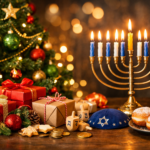
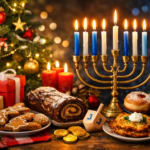
- Lighting a hanukkiah (menorah): One candle on night one, adding one additional candle each subsequent night, lit using the shamash (helper candle).
- Blessings & songs: Recitation of traditional blessings and singing of popular hymns and children’s songs.
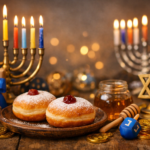
- Fried foods: Latkes (potato pancakes) in Ashkenazi communities, sufganiyot (jelly doughnuts) in Israel and many Sephardic/Ashkenazi settings, plus local fried specialties.
- Games & gifts: Dreidel games, small gift-giving, and communal gatherings at synagogues, JCCs, and Chabad centers.
- Public events: In many cities you’ll find civic menorah lightings, concerts, cultural programs, and outdoor markets.
Why readers ask “Where is Hanukkah celebrated?”
When web searchers type the question, they usually want practical answers: where to go to see public menorah lightings, which cities host large festivals, what local foods to sample, and which events are family-friendly or tourist-appropriate. This article functions as a practical map — countries → cities → events — and includes travel, food, fashion, and sharing tips to help readers find a celebration that suits them.
Global overview — Where you’ll find Hanukkah celebrations
Hanukkah is celebrated globally where Jewish communities exist. The visibility and scale depend on local population density, history, civic support, and cultural openness. Here are the.
- Israel: The most energetic and public celebrations — menorahs in public squares, school programs, mall events, and nationwide seasonal atmosphere.
- United States & Canada: Numerous city menorah lightings (including a National Menorah in Washington D.C.), Chabad events, and community festival moments.
- Europe (UK, France, Germany, Italy, Spain): Major cities host public menorahs, synagogue events, museum programming, and seasonal markets that incorporate Hanukkah elements.
- Latin America (Argentina, Brazil): Strong Jewish communities in major cities often stage lively events.
- North Africa & Middle East: Historical communities in Morocco, Tunisia and parts of the Levant maintain local customs and distinct culinary traditions.
- Asia & Oceania (Australia, New Zealand, India, Japan): Smaller but active communities with public menorah lightings and synagogue-led events.
European trend insights — city-by-city highlights
Europe offers a compelling mix of deep Jewish history and modern cultural revival. Below are city-by-city recommendations for visitors and locals who want to experience Hanukkah in public or community settings.
London, United Kingdom
Where to see it: Trafalgar Square public menorah lighting — a high-profile civic event — plus neighborhood programming in Golders Green, Stamford Hill, and community centers across the city.
What to expect: Speeches, live music, family activities, kosher stalls and local Jewish communal booths. Civic organizers and Chabad centers often coordinate.
Local tips: Check the Mayor’s events calendar and Chabad London listings for exact dates and times. If you want a Jewish culinary experience, visit kosher bakeries and delis in north London neighborhoods.
Paris, France
Where to see it: Le Marais is the cultural heart of Jewish Paris; expect menorah lightings, synagogue events, and museum programs. Major cultural institutions may host exhibitions or concerts linked to Hanukkah.
What to expect: Pop-up sufganiyot stalls, community menorah ceremonies, and family programming.
Local tips: Reserve kosher restaurants early and look for cultural programming at Jewish museums and cultural centers.
Berlin, Germany
Where to see it: Public menorah Ceremonies in central squares, community menorah lightings, Jewish cultural centers, and museums. Berlin’s Jewish community is active and creative.
What to expect: Family-friendly concerts, modern cultural takes on the holiday, and mix of religious and secular programming.
Local tips: Search for events at Jewish cultural hubs and local community centers for workshops and menorah-making classes.
Rome & Milan, Italy
Where to see it: Synagogue-sponsored events, celebrations in Jewish quarters, and kosher restaurants offering special menus.
What to expect: Warm community gatherings, culinary fusions blending Italian flavors with Jewish festival staples.
Local tips: Try local Jewish bakeries and ask synagogues about public programming and menorah lightings in the Jewish Ghetto in Rome.
Smaller European towns
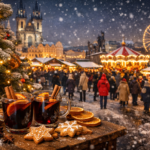
In smaller towns across Europe you may find synagogue events or private gatherings. Many towns host intimate community dinners and menorah lightings; some communities combine Hanukkah observance with local seasonal markets.
Top cities worldwide to experience Hanukkah — comparison table
| City | What to expect | Best nights to go | Tips |
| Jerusalem | Deeply religious public lightings (Kotel, Western Wall); cultural events | Any night; busiest mid-holiday | Book hotels early; expect crowds |
| New York City | Large festivals, pop-ups, latke fairs | Weekend nights | Check Chabad & local synagogue listings |
| London | Trafalgar Square menorah + concerts | Weekends | Check Mayor’s event calendar |
| Paris | Marais community events & museum programs | Evenings | Reserve kosher restaurants early |
| Berlin | Creative cultural programs & family events | Weekends | Look for Jewish cultural center listings |
| Buenos Aires | Large community festivals, regional foods | Weekend nights | Try local Jewish bakeries for treats |
Country-by-country short guide (expanded & SEO-friendly)
United States & Canada — public and family life
North America combines private family candle-lightings with large public menorah events in city squares and community centers. The U.S. hosts the National Menorah lighting in Washington D.C., and many major cities (NYC, Miami, Los Angeles) coordinate high-profile public programs with music, speakers, and kosher vendors.
United Kingdom — Trafalgar Square and community programs
London’s Trafalgar Square menorah lighting is a civic tradition, and other UK cities (Manchester, Leeds, Glasgow) often feature local menorah lightings and family-friendly events.
France — strong community in Paris
France has a large Jewish population concentrated in Paris, where Le Marais is the hub for community programming, menorah lightings, and cultural exhibits.
Visitor tip: Look for local Jewish museums and kosher pastry shops.
Germany — growing visibility
After Decades of Rebuilding, Jewish life in Germany is increasingly visible during Hanukkah, especially in Berlin. Museums and cultural centers often host family-friendly programming.
Local culture: Expect blended religious and cultural events, often with contemporary artistic elements.
Italy & Spain — warm community style
Italian and Spanish Jewish communities often mark Hanukkah with synagogue events, local culinary traditions, and warm family gatherings. In Italy, the Jewish Ghetto in Rome is a focal point for cultural and religious programming.
Latin America — lively and regional
Cities like Buenos Aires and São Paulo have significant Jewish populations and vibrant Hanukkah programs, often integrating local culinary flavors (e.g., fritters, regional doughnuts).
North Africa & Middle East — durable traditions
Places with long Jewish histories — Morocco, Tunisia, and certain Middle Eastern cities — preserve local customs and unique festival foods, sometimes in smaller community settings.
Foods & cultural traditions by region
Food is central to Hanukkah observance because the theme of oil connects directly to frying and richness. Regional flavors and historic diasporas create a rich culinary tapestry.
Common foods you’ll encounter
- Latkes (potato pancakes): A classic Ashkenazi staple, often topped with applesauce or sour cream.
- Sufganiyot (jelly doughnuts): Ubiquitous in Israel and increasingly popular elsewhere during Hanukkah.
- Sfenj and fritters: North African and Sephardic fried breads and fritters.
- Local fried snacks: From plantain fritters in Latin America to cassava bites in some Sephardic diasporas.
Activities
- Dreidel games: A family-friendly evening pastime, especially popular with children.
- Menorah-making workshops: Community centers and schools often host candle-making or menorah-decoration sessions.
- Cultural events: Film screenings, concerts, and museum exhibitions themed around the holiday or Jewish history.
Fashion & lifestyle — how to dress for Hanukkah in Europe
Hanukkah isn’t about a strict dress code, but people often dress nicely for public events and family dinners. Here are outfit ideas by context:
- Home gathering: Cozy-smart: knitwear, scarves, family-appropriate casual dresses.
- Public event or concert: Smart-casual: warm coat, boots, expressive scarves.
- Synagogue service: Modest and respectful attire: men may wear a kippah; women may select modest tops or dresses in accordance with their community.
- Designer trends: Many cities show a blue-and-white holiday palette in accessories, small Judaica, and influencer-featured tableware.

Travel tips — planning a Hanukkah trip
When to book
Book early for major destinations (Jerusalem, New York, London) — accommodation can fill fast in the holiday season. Confirm exact Gregorian dates before making reservations.
Where to find events and programs
- Chabad event directories — reliable for public menorah lightings.
- City tourism pages — often list official cultural events and family programming.
- Synagogue and JCC websites — best for time-sensitive information on services and children’s programs.
- Local press & event sites — ideal for pop-ups, concerts, and market listings.
Food & dietary needs
If you need kosher options, reserve in advance in major cities. Many locations offer Hanukkah-themed menus and limited-time dessert items.
Safety & etiquette
- Respect religious sites: Verify synagogue rules before attending, as some have specific rules for photography or entry.
- Security: Public events may have security checks; follow volunteer and official guidance.
- Cultural sensitivity: Be mindful of local customs, particularly in mixed-religion or historically sensitive places.
How to find a public menorah lighting or local event
- Search the web for “public menorah lighting [city name]” or visit local event listings.
- Check Chabad and Jewish community center (JCC) calendars.
- Visit your city’s official tourism page.
- Follow local Jewish community pages on social media.
- Contact synagogues directly for timings and family-program details.
- Local newspapers and city event platforms usually highlight pop-ups and market events.
Comparison: Public vs. Private Hanukkah celebrations
| Feature | Public Celebration | Private/Home Celebration |
| Size | Big — public plazas or community centers | Small — family or intimate friend groups |
| Cost | Often free or sponsored | Personal cost for food/gifts |
| Atmosphere | Communal, festive, loud | Quiet, intimate, reflective |
| Accessibility | Open to public; may require registration or security | Invite-only, comfortable |
| Best for | Those who like spectacle and meeting new people | Families and private religious observance |
Quick travel planning
- Dates: Confirm Hanukkah dates for the year (25 Kislev → usually Nov/Dec).
- Events: Find local menorah lightings (Chabad, city calendar, synagogue listings).
- Accommodation: Book hotels early in major cities.
- Food: Reserve kosher restaurants if required.
- Transport: Check transit schedules; events can create traffic and changes.
- Etiquette: Confirm synagogue policies (photography, dress code).
Pros & Cons
Pros
- Experience different cultural interpretations of Hanukkah.
- Attend large public menorah lightings and concerts.
- Taste regional Hanukkah foods and seasonal specialties.
Cons
- Travel costs and hotel prices may rise.
- Kosher and Jewish-friendly services might be limited in smaller locales.
- Smaller towns may only offer private family gatherings rather than public spectacles.
FAQs
A: Hanukkah is celebrated worldwide — inside private homes, in synagogues and in public squares in cities where Jewish communities live. Big public menorah lightings happen in places like Jerusalem, New York, London and Paris.
A: Hanukkah begins on 25 Kislev in the Hebrew calendar. On the regular (Gregorian) calendar it usually falls in November or December. Check a current calendar for exact dates each year.
A: Hanukkah is widely observed in Israel with many public events and school programs. It is very visible in public life, though it is more a cultural national observance than a full public bank holiday.
A: Use the Chabad event directory, check city event pages, or contact local synagogues and Jewish community centers (JCCs) for times and places.
A: Try latkes (potato pancakes), sufganiyot (jelly doughnuts), and regional fried snacks that reflect local food culture.
Conclusion
Hanukkah is celebrated everywhere there are Jewish communities and families. In Some Places it’s a quiet family ritual; in others it’s a visible civic festival with menorahs in public squares, concerts, markets and community programs. For readers in Europe, Hanukkah has become both a religious observance and a seasonal urban event. From Trafalgar Square to Le Marais, from cozy home tables to big public menorah lightings, there are many ways to participate.