Introduction
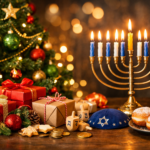
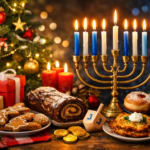
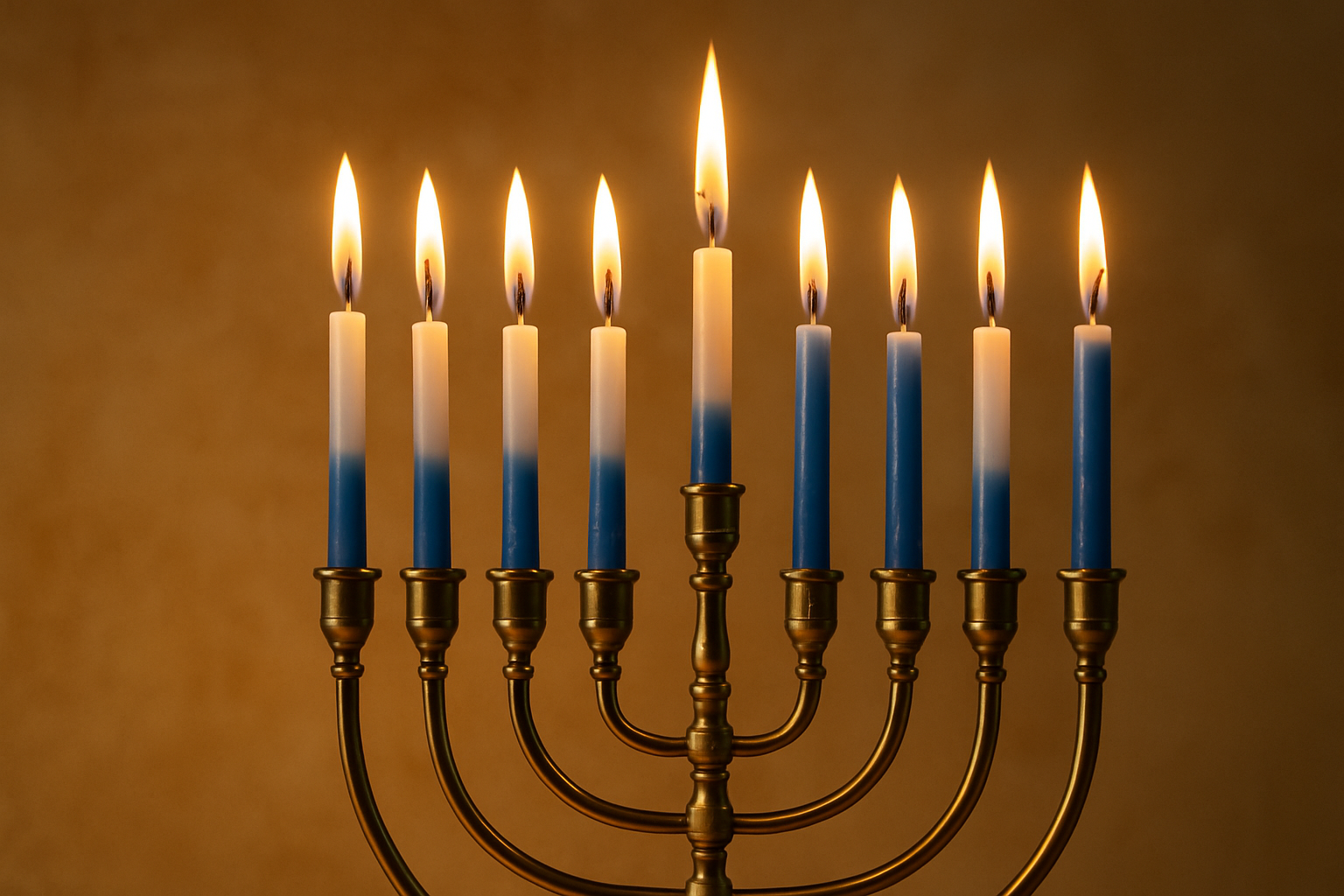
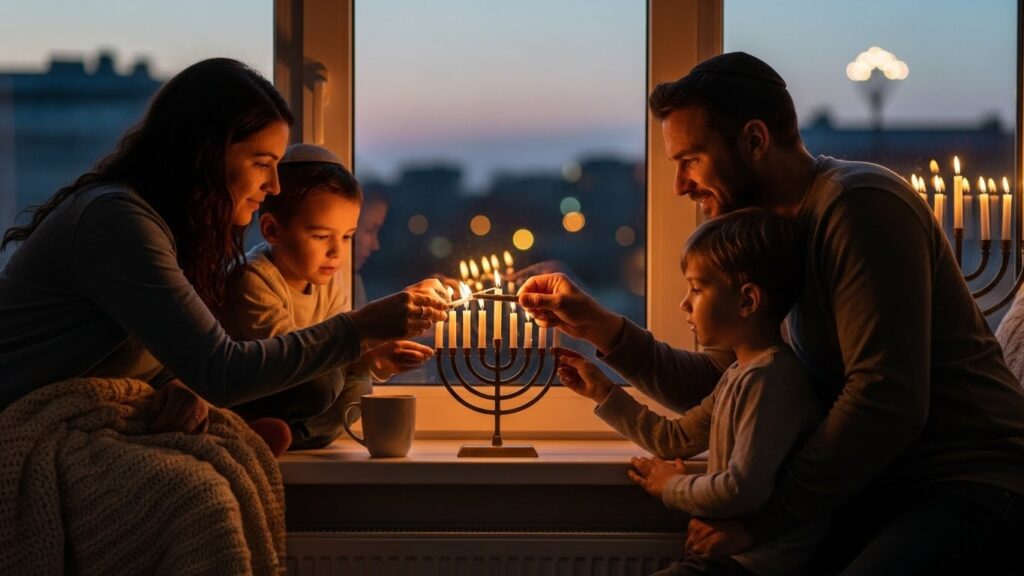
Hanukkah (also spelled Chanukah) is the warm, bright festival many families perform each winter. It Lasts Eight Nights. specific night people place candles in a hanukkah (a special menorah) and say short sacred lines called Hanukkah prayers or Hanukkah blessings. These words are not long, but some people want assist reading the Hebrew, saying it clearly, or knowing when to say each blessing.
This guide is a single, complete place for beginners and families. It gives the Hebrew text, a clear transliteration that uses easy English perfect, and a plain English translation for each of the three main blessings.
Quick overview — What are the Hanukkah prayers and when to say them
Each night you usually say two blessings. On the first night, you also say a third blessing called Shehecheyanu. The blessings are normally said before lighting the candles. Use a helper candle called the Shamash to light the other candles. Place the candles from right to left when you put them in the menorah, but light them from left to right — always light the newest candle first.
A common, easy flow: say blessings – light candles – sing or reflect. This flow is what most families follow. Keep the menorah where it is safe and visible (many choose a window). defense and respect for the ritual are both important.
The three main blessings — Hebrew, Transliteration, Translation
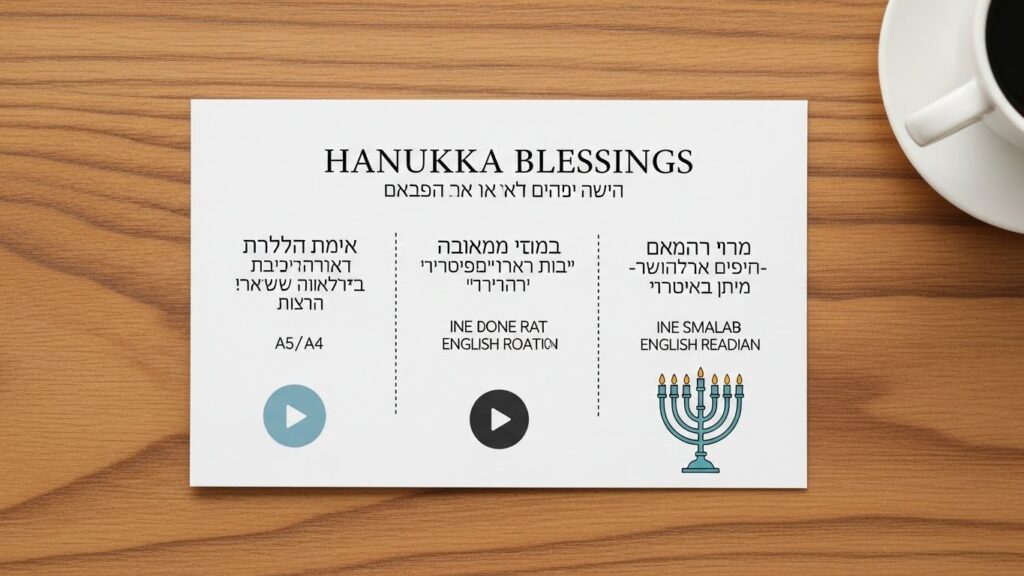
Below are the three core Hanukkah blessings. Put these on a printable card or next to an audio play button on your site. The transliterations use simple English syllables so learners can read them.
Blessing 1 — Blessing over the candles (recited every night)
Hebrew:
בָּרוּךְ אַתָּה יְיָ אֱלֹהֵינוּ מֶלֶךְ הָעוֹלָם, אֲשֶׁר קִדְּשָׁנוּ בְּמִצְוֹתָיו וְצִוָּנוּ לְהַדְלִיק נֵר חֲנֻכָּה.
Transliteration:
Baruch atah Adonai, Eloheinu melekh ha-olam, asher kid’shanu b’mitzvotav v’tzivanu l’hadlik ner shel Hanukkah.
Translation:
Blessed are You, Lord our God, King of the universe, who has sanctified us with His commandments and commanded us to kindle the Hanukkah light.
Blessing 2 — Blessing for the miracles (recited every night)
Hebrew:
בָּרוּךְ אַתָּה יְיָ אֱלֹהֵינוּ מֶלֶךְ הָעוֹלָם, שֶׁעָשָׂה נִסִּים לַאֲבוֹתֵינוּ בַּיָּמִים הָהֵם בַּזְּמַן הַזֶּה.
Transliteration:
Baruch atah Adonai, Eloheinu melekh ha-olam, she-asah nisim la-avoteinu bayamim ha-hem bazman hazeh.
Translation:
Blessed are You, Lord our God, King of the universe, who performed wondrous deeds for our ancestors in those days at this season.
Blessing 3 — Shehecheyanu (recited on the first night only)
Hebrew:
בָּרוּךְ אַתָּה יְיָ אֱלֹהֵינוּ מֶלֶךְ הָעוֹלָם, שֶׁהֶחֱיָנוּ וְקִיְּמָנוּ וְהִגִּיעָנוּ לַזְּמַן הַזֶּה.
Transliteration:
Baruch atah Adonai, Eloheinu melekh ha-olam, she-hecheyanu v’kiy’manu v’higiyanu lazman hazeh.
Translation:
Blessed are You, Lord our God, King of the universe, who has given us life, sustained us, and enabled us to reach this season.
Step-by-step: How to light the menorah
Below is an easy, numbered guide for the home ceremony. Follow each step slowly the first few times you do it.
- Choose a safe place for your hanukkiyah. Keep it away from curtains, papers, or anything that can catch fire. A stable window sill is traditional, but pick safety first.
- Place candles right → left. When you put candles into the menorah, start placing them on the right. Each night add the new candle on the left of the previous nights.
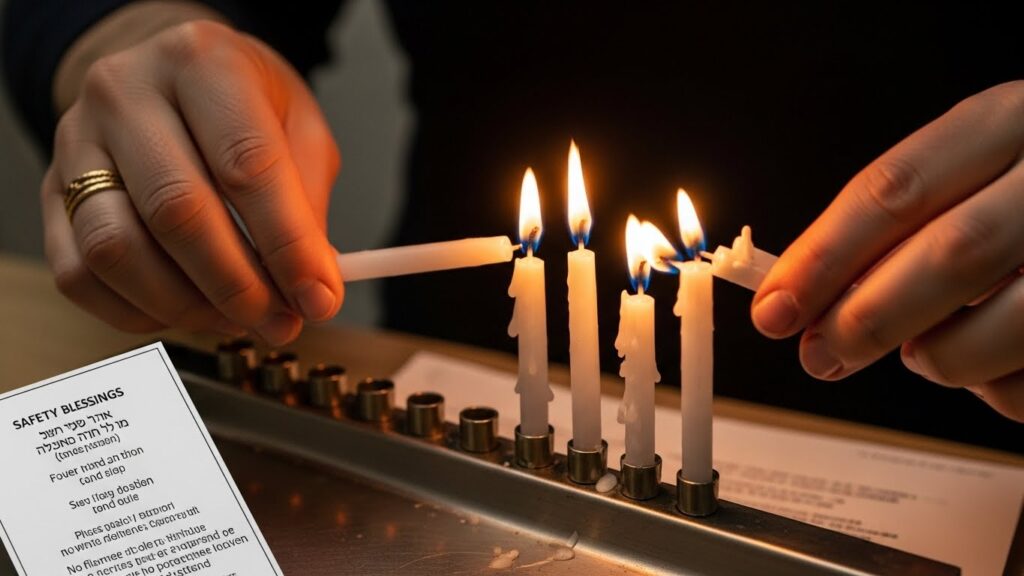
- Light the shamash first. The shamash is the helper candle. Light it and use it to light the others. It is not counted among the eight lights.
- Recite the blessings. Stand facing the menorah and say the two main blessings every night. On the first night also say Shehecheyanu. Most people say the blessings before lighting the other candles.
- Light the candles left → right. Using the shamash, light the newest candle first (the leftmost), then move to the right. This honors the newest light each night.
- Sing or reflect. Many families sing Ma’oz Tzur or other songs after lighting. You can tell the story of Hanukkah, say extra prayers, or share a quiet family moment.
- Let candles burn safely. Never leave burning candles unattended. Keep children and pets safe. For child-heavy spaces, consider battery-powered LED menorahs.
Lighting process table
| Step | Action | Why it matters |
| 1 | Set up hanukkiyah safely | Prevent accidents and honour tradition |
| 2 | Place candles right → left | Keeps correct order for adding lights |
| 3 | Light shamash first | Shamash is helper candle only |
| 4 | Say blessings before lighting | Shows respect to the ritual |
| 5 | Light newest candle first (left → right) | Honors the new light each night |
| 6 | Sing/reflect & watch candles | Community practice and safety |
Denominational notes — Ashkenazi vs Sephardi
The text of the blessings is mostly the same across Jewish groups. Yet there are small and interesting differences in sound, tune, and extra short poems called piyutim.
- Pronunciation: Ashkenazi speakers might say certain vowels one way, while Sephardi speakers use a slightly different sound. This changes how words feel when sung or spoken.
- Melody: Tunes for songs like Ma’oz Tzur or blessings can sound different — Eastern European, Mediterranean, North African, or Middle Eastern styles may be used.
- Extras: Some communities include extra short prayers or poems after lighting. Others keep to the basics.
What to do when Hanukkah overlaps with Shabbat
When Hanukkah and Shabbat happen at the same time, special rules apply because lighting a flame on Shabbat is not allowed in standard practice. Here are common and practical ways families handle this:
- Light earlier: Many families light the Hanukkah candles before Shabbat starts (in late afternoon), and then light Shabbat candles at the normal time.
- Pre-lit oil lamps: Some prepare oil lamps that are lit before Shabbat and left burning into Shabbat. This needs careful planning and sometimes rabbinic guidance.
- Synagogue lighting: Some communities hold a communal menorah lighting before Shabbat so people can join without violating Shabbat rules.
Important: This area is legally and religiously complex (halacha). Always suggest readers consult a local rabbi or community leader for precise rulings.
European trends — Where to celebrate and what to expect
In Europe Hanukkah appears in both private homes and public spaces. Many cities hold large menorah lighting events, family markets, and cultural shows.
City snapshots
- London: Big public menorah lightings and family-friendly events. Check local synagogue calendars.
- Paris: Community gatherings in historic Jewish neighbourhoods plus kosher food markets.
- Berlin & Amsterdam: Growing cultural programs, concerts, and heritage tours about Jewish life.
- Milan & Barcelona: Local kosher food pop-ups and smaller community menorah lightings.
Travel tip: If you want to see a big public menorah lighting, check community calendars in October–November for event details.
Food, culture & lifestyle — European flavour for Hanukkah
Food ideas with a local twist
- Latkes (potato pancakes): Try local toppings — smoked salmon in Nordic cities, or beetroot in Eastern Europe.
- Sufganiyot (jelly doughnuts): Bakeries in cities often create gourmet versions — custard, chocolate, citrus or seasonal jam.
- Olive oil dishes: Mediterranean communities use olive oil to honour the Hanukkah miracle.
Fashion & lifestyle
- Casual-elegant: Cosy knitwear, layered jackets, and neat accessories for evening family gatherings.
- Children’s themes: Menorah sweaters or reflective accessories for outdoor menorah lightings (safety first).
- Design touches: Ethical menorah sets and tasteful décor make great gift content and social posts.
Comparison table — Ashkenazi vs Sephardi
| Topic | Ashkenazi (common practice) | Sephardi (common practice) |
| Pronunciation | Ashkenazi vowel shifts and accents | Modern Hebrew or Sephardic sounds |
| Melodies | Eastern European tunes (e.g., Ma’oz Tzur variants) | Mediterranean or Middle Eastern melodies |
| Extra texts | Some piyutim after lighting | Different piyutim or songs used |
| First night | Shehecheyanu said at first home lighting | Shehecheyanu also said; timing varies |
| Food | Potato latkes and Ashkenazi pastries | Fried dishes with Mediterranean spices |
Pros & cons
Pros
High usefulness, shareability, strong backlink potential.
Cons
Requires production time and community checking for accuracy.
FAQs
Q1: How many blessings do you say on Hanukkah?
A1: Two blessings are said each night. On the first night you say a third called Shehecheyanu.
Q2: Should the blessings be said before or after lighting?
A2: The blessings are usually said before lighting the candles.
Q3: What is Shehecheyanu and when is it said?
A3: Shehecheyanu thanks God for letting us reach this season. It is said the first time you light Hanukkah candles in the year.
Q4: What do I do when Hanukkah falls on Shabbat?
A4: Many light Hanukkah candles before Shabbat starts or use pre-lit oil lamps. Check with your local rabbi if you are unsure.
Q5: Can children lead the blessings?
A5: Yes. Children can lead the blessings with supervision. Use transliteration and audio to help them learn.
Conclusion
Hanukkah brings light, family, and a simple ritual anyone can learn. This guide provided the full Hanukkah prayers in Hebrew, quick transliteration, and clear translations, plus step-by-step menorah lighting, safety tips, and practical notes for when Hanukkah overlaps Shabbat.