Introduction
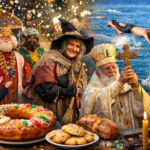
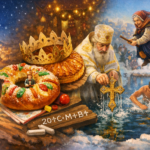
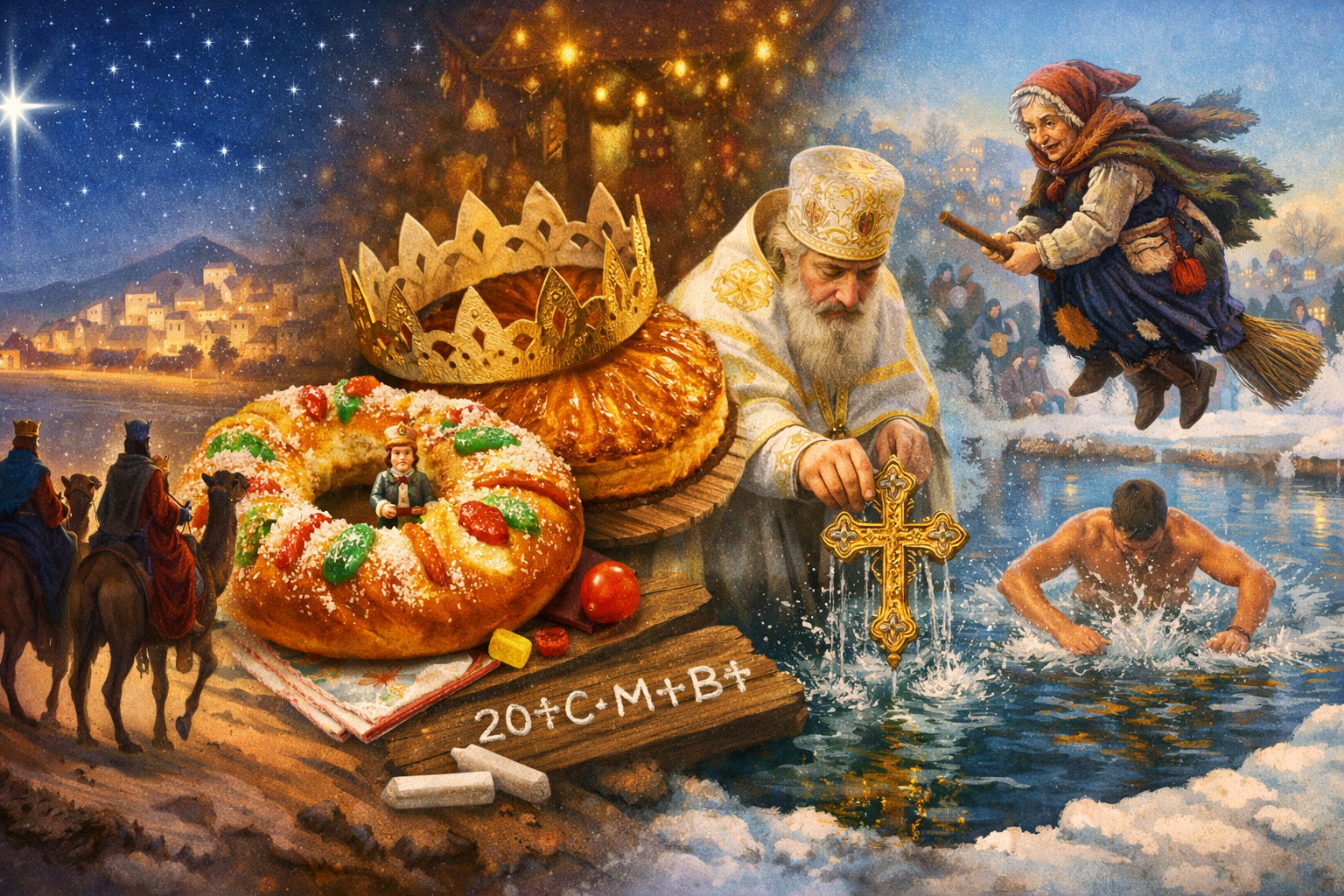
The Feast of the Epiphany is an old, joyful holiday that many people across Europe know and love. It is often called Three Kings Day in Western countries and Theophany in Orthodox ones. The day is usually January 6. On this day we remember the Magi (the Wise Men) who visited the infant Jesus and, in some traditions, we remember Jesus’ baptism in the Jordan River.
This long-form guide is built to be your one-stop resource. It explains what the feast of the epiphany means, the history behind it, and the many ways it is celebrated across Europe.
What Is the Feast of the Epiphany? — A Simple Definition
The Feast of the Epiphany literally means a “showing” or “manifestation.” It marks important moments in the life of Jesus as told in the Gospels: the visit of the Magi, the Baptism in the Jordan, and sometimes the wedding at Cana. Which story a community highlights depends on local tradition.
- In many Western Christian communities (Catholic, Anglican, some Protestant), Epiphany often emphasizes the story of the Magi and is popularly called Three Kings Day.
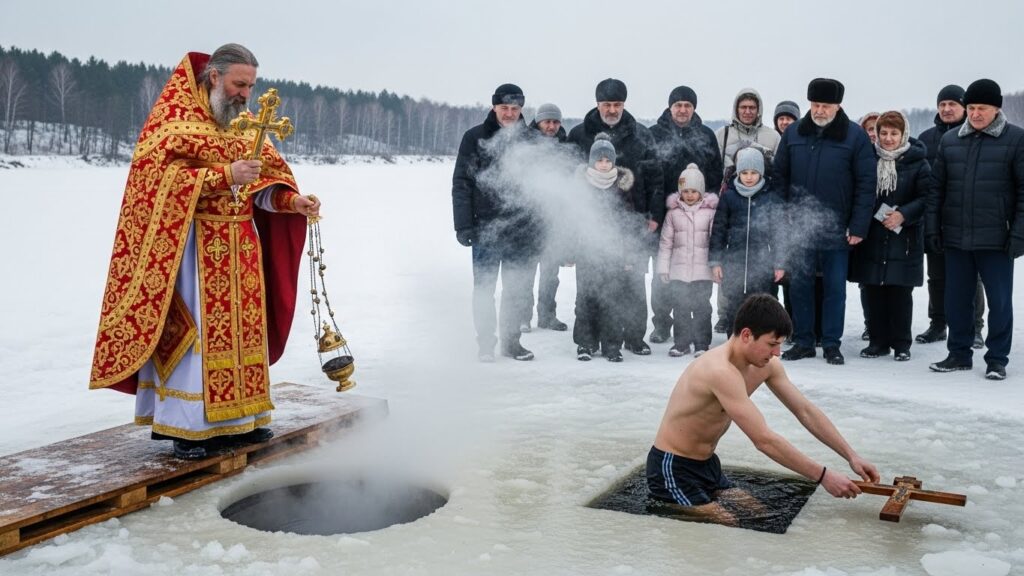
- In Eastern Orthodox churches, the feast is mostly about the Baptism of Christ; this celebration is often called Theophany. The Theophany water blessing ritual — where a priest blesses water publicly — is one of the most dramatic and ancient parts of this observance.
Background & History — Where Did Epiphany Come From?
Origins in Scripture and Early Church
The main scriptural sources are Matthew 2 (the Magi) and the baptism narratives (Matthew 3; Mark 1; Luke 3). Native communities in the early church celebrated these events differently. As Christianity spread across the Mediterranean and into Europe, different regions emphasized different moments tied to their local theology and culture.
Medieval Customs and Folk Traditions
By the Middle Ages, Epiphany had grown beyond the church. It mixed with folk practices: crownings of a “king for a day,” masquerades, and special festive breads. These practices linked the sacred liturgy with community celebration.
How Spanish, French, Italian, and Orthodox customs spread
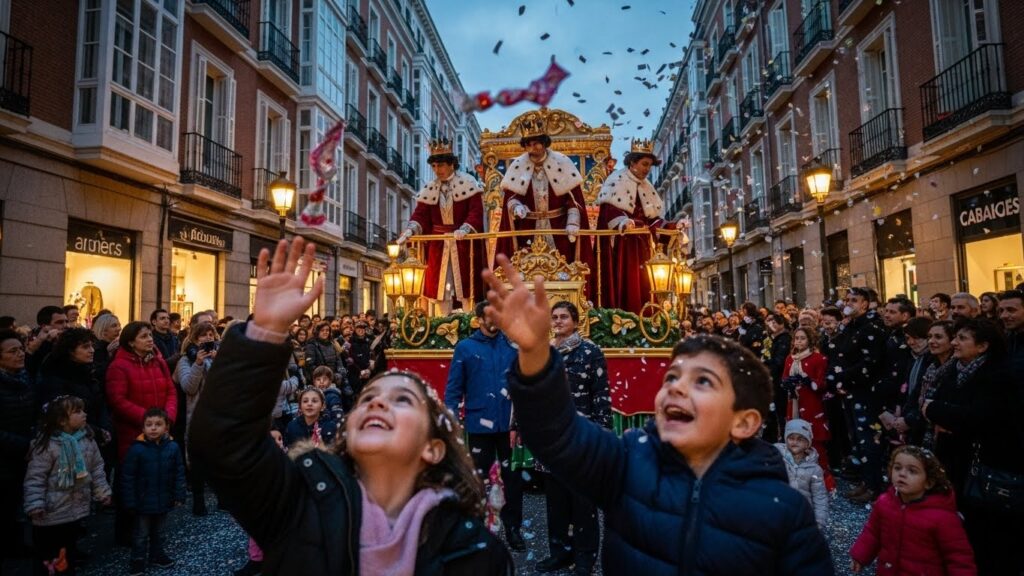
Spain played a big role in shaping the public, civic side of Epiphany: the Cabalgata (Three Kings parade) and rosca de reyes traveled to Latin America and other Spanish-speaking communities. France developed the galette des rois tradition that spread across French-speaking areas. Eastern Europe kept the strong ritual of blessing waters and cross-diving, a custom preserved in many Orthodox countries.
Epiphany Traditions Across Europe — Country Snapshots
Below are vivid, simple snapshots of how different European regions celebrate the feast of the epiphany. Each short section gives you what to expect, what to eat, and how it feels.
Spain — Cabalgata & Roscón de Reyes
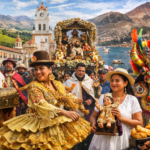
- What to expect: On the evening of January 5, cities like Madrid and Barcelona stage large Cabalgatas with floats, street performers, and the Kings throwing sweets to children.
- Food: Roscón de Reyes — a large ring-shaped sweet bread decorated with candied fruit; a small figurine is hidden inside; the finder gets a crown or a small gift.
- Feel: Very family-focused, colourful, loud, and festive.
France — Galette des Rois
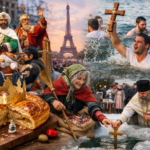
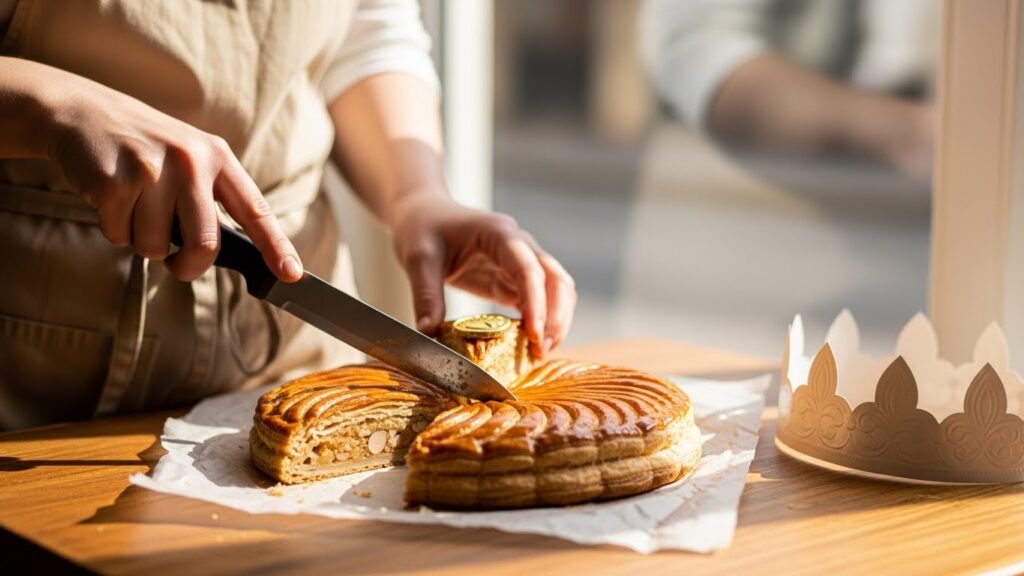
- What to expect: Bakeries across Paris and Lyon display galette des rois. Offices and families gather to cut the galette, often in the first weeks of January.
- Food: A flaky puff pastry filled with almond frangipane; the fève (tiny token) hides inside. The finder is made “king” or “queen.”
- Feel: Warm, culinary, and social — café gatherings and bakery window browsing.
Italy — La Befana & Local Pageants
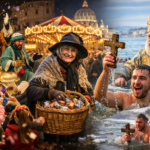
- What to expect: In Italy, La Befana, a kindly old woman who brings sweets to children, is part of the Epiphany lore. Markets and small stage shows continue through January 6.
- Food: Regional sweets and pastries vary by area.
- Feel: Playful, folk-like, with a strong local flavor.
Eastern Orthodox — Theophany & Blessing of the Waters
- What to expect: Priests bless rivers, lakes, or seas. In Bulgaria, Romania, Greece, and Russia, a cross is tossed into the water and men or teenagers dive in to retrieve it. It is a public, solemn, and brave ritual.
- Food: Seasonal breads and shared community meals often follow.
- Feel: Sacred, dramatic, and newsworthy.
United Kingdom — Twelfth Night & Church Services
- What to expect: Twelfth Night (Jan 5) retains theatrical traditions (mumming, plays). Churches hold special Services, such as Choral Evensong.
- Food: Regional cakes and pub fare in some towns.
- Feel: Historic, parish-focused, and gentle.
Central & Eastern Europe — Chalk Blessing & Home Blessings
- What to expect: Families write the year and the initials of the Magi (C, M, B) above their doors using chalk. This is a short blessing to bring peace to the home.
- Food & feel: Quiet, domestic, simple, and meaningful.
European Trend Insights — What’s Popular Now
Event tourism: Cities promote Epiphany weekend packages. Tourists like to pair Epiphany with late-December markets to get a full festive experience.
Street parades
- Wear: Warm photogenic layers — wool coat, knit scarf, leather boots.
- Tech tip: Pack a compact umbrella and hand warmers for long waits.
Church services
- Wear: Smart-casual or semi-formal attire — a neat coat, knit dress, blazer. Respect the place of worship.
Home brunch & photos
- Wear: Festive but comfy — matching family sweaters, paper crowns, or small gold accessories for bright images.
Influencer & designer touches
- Use star motifs, crown props, and warm color palettes for lifestyle shoots. These visual cues tie the content to Three Kings Day and help with shareability on platforms like Instagram and Pinterest.
Food, Culture & Activities — What to Eat and Do
Food and small rituals make Epiphany memorable.
Signature foods
- Roscón de Reyes / Roscón (Spain): hidden figurine, ring shape.
- Galette des Rois (France): puff pastry with almond cream.
- Regional sweets (Italy and other countries): many local variations.
Activities & crafts
- Chalk blessing (Epiphany chalk blessing how-to): Write the year and C M B above the front door.
- Crown making: Paper crowns for kids to wear at home or in photos.
- Nativity plays and star lanterns: Local pageants often involve children and community groups.
Events to watch
- Watch a city Cabalgata in Spain.
- Join a parish Epiphany mass.
- Respectfully observe a Theophany water blessing if visiting an Orthodox country.
How to Celebrate Epiphany at Home
This tutorial is great for families or content creators planning a shareable Epiphany morning.
Materials
- Roscón or galette: buy or bake.
- Paper crowns: store-bought or DIY.
- Small figurine or wrapped bean: hide inside cake.
- Chalk: for the door blessing.
- Short reading: Matthew 2:1–12 or a child-friendly version.
- Camera: phone or camera for photos.
Step-by-step Celebration (Numbered)
- Set the table with a festive cloth, star ornament, and the cake at centre. Place crowns ready.
- Short reading: tell the Magi story in a simple way for children.
- Cut and share cake: the person who finds the token gets the crown.
- Chalk blessing: write 20✝C✝M✝B✝26 (update year) above the main door; say a short blessing or prayer.
- Crafts: make crowns or star mobiles with kids.
- Share: post photos or write a short blog post linking to your main guide o
Travel Tips — Best Places to Experience Epiphany
If you want to travel to see Epiphany celebrations, here are top picks with practical notes.
Top cities
- Madrid, Spain: Full-scale Cabalgata on Jan 5; big crowds; book early.
- Paris, France: Bakeries with galette des rois; cozy cafés for brunch.
- Rome & Naples, Italy: La Befana markets; local performances.
- Sofia & Bucharest: Theophany water blessings; dress warmly.
- London, UK: Church services and Twelfth Night theatre.
Booking & budget tips
- Book flights and hotels 6–8 weeks ahead for big parades.
- Stay within walking distance of parade routes.
- Use public transport and arrive early to avoid crowds.
Safety & etiquette
- Be respectful during liturgies — stay quiet and follow local cues.
- Ask permission before photographing private or prayerful moments.
- Keep bags and wallets safe in crowded areas.
Quick Comparison Table — European Traditions
| Country / Tradition | Date | Main activity | Food | Best for |
| Spain | Jan 5–6 | Cabalgata parade | Roscón | Family spectacle |
| France | Jan 6 | Cake sharing | Galette des Rois | Culinary treat |
| Italy | Jan 6 | La Befana & markets | Regional sweets | Folk fun |
| Eastern Orthodox | Jan 6 / Jan 19 | Water blessing & cross dive | Seasonal breads | Religious ritual |
| UK | Jan 5–6 | Twelfth Night / services | Regional cakes | Parish & theatre |
Pros & Cons
Pros
- Rich cultural variety and local color.
- Great visual content for photos and video.
- Family-friendly rituals and tasty food.
- Plenty of SEO and content opportunities for bloggers.
Cons
- Weather in January can be cold and wet.
- Crowd management is needed in large parades.
- Calendar differences (Julian vs Gregorian) can confuse visitors.
- Religious moments require respect and quiet.
FAQs
A: Usually January 6. Some churches move the date to the nearest Sunday (January 2–8). Orthodox churches that use the Julian calendar may celebrate it on January 19 (Gregorian).
A: Epiphany is the Western name (often focusing on the Magi). Theophany is the Eastern name and places emphasis on Jesus’ Baptism and the blessing of water.
A: Both are celebratory cakes with a hidden token. Whoever finds the token in their slice becomes king or queen for the day.
A: Write the year and the initials C M B with small crosses above your main door. Example format: 20✝C✝M✝B✝26. Traditionally you say a short blessing and may sprinkle holy water.
A: Yes for public events, but be respectful. Ask before photographing private or liturgical moments, especially in churches and in smaller communities.
Conclusion
The Feast of the Epiphany blends deep religious meaning with lively local celebration. From Spain’s giant Cabalgatas and the sweet rosca de reyes, to France’s cozy Galette des Rois and the striking Theophany water blessing of Eastern churches, Epiphany is a moment that invites both reflection and joy. It is simple to celebrate at home with a short reading, a shared cake, a chalk blessing above your door, and small crown-making crafts for children. For content creators and bloggers, Epiphany is rich ground: recipes, local travel guides, printable crafts, event calendars, and short videos all perform well and help readers experience the day.