Introduction
Light is Small but Powerful. Across the world, people use light to show hope, joy, and connection. The phrase “Festival of lights” covers many kinds of celebrations — religious ones like Diwali and Hanukkah, and large public art events like Lyon’s Fête des Lumières or Sydney’s Vivid Sydney. In Europe, these moments blend ritual, tourism, style, food, and stunning night-time visuals. They give families and friends a reason to get together, artists a canvas to show their work, and cities a way to shine.
Background & History — Why so many festivals of lights?
People have used light in ceremonies for thousands of years. Lamps, candles, torches, lanterns, and now electric displays have all been used to mark important times in life and seasons. Each culture gives light a slightly different meaning, but many meanings overlap: hope, renewal, victory of good over bad, and community.
Diwali (Deepavali)
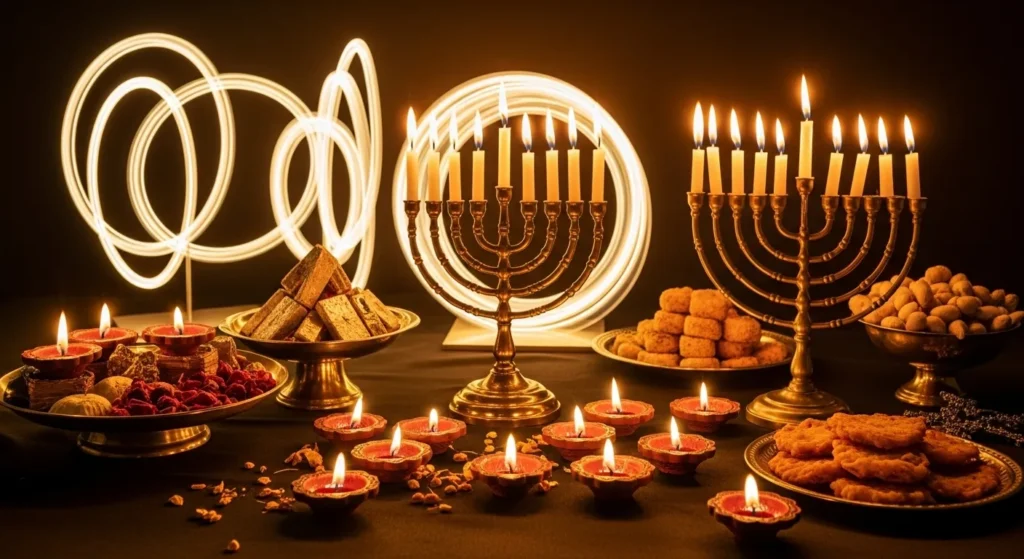
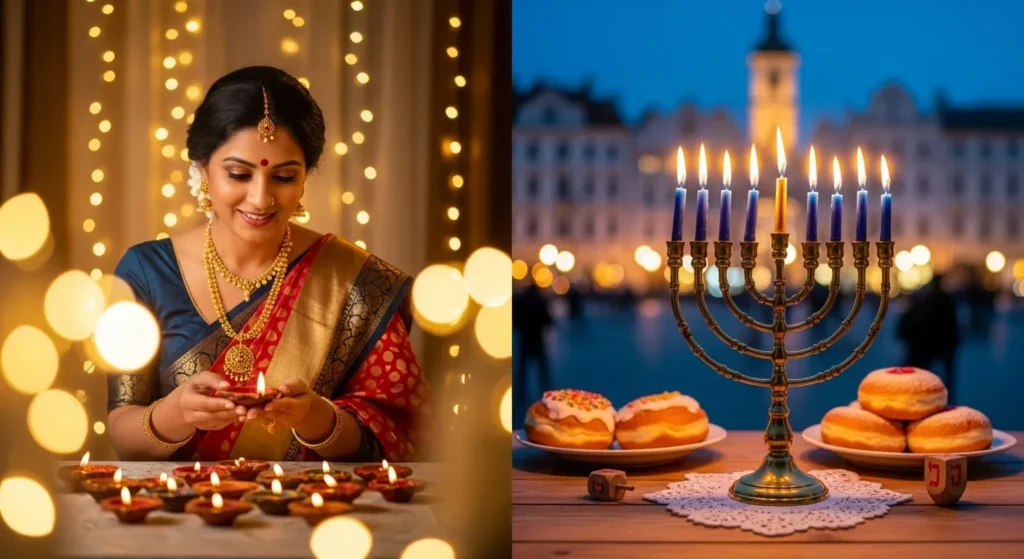
Diwali is often called the classic festival of lights. It is a major festival in India and among Indian communities worldwide. Families clean their homes, draw rangoli (colorful floor art), light diyas (small oil lamps), pray for prosperity, exchange sweets (mithai), and gather together. Many people also light Fireworks where rules Allow. Diwali is usually in October or November, depending on the lunar calendar. The festival can last several days in different regions, with each day having its own customs.
Hanukkah
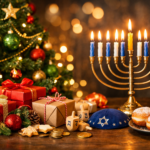
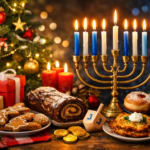
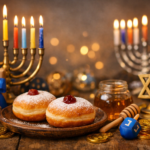
Hanukkah is the Jewish festival that lasts eight nights. Families light a menorah and add one candle each night. The holiday recalls a historical event and a miracle — that a small amount of oil in the Temple burned for eight days. Hanukkah has foods tied to oil (like latkes and doughnuts), games like the dreidel, and family gatherings. It usually falls in November or December, depending on the Hebrew calendar.
City light festivals
Many cities stage secular light festivals. These are art events where light artists and projection teams transform buildings, parks, and waterways into immersive shows. Examples include Lyon’s Fête des Lumières, Amsterdam’s Light Festival, and Vivid Sydney (outside Europe but useful as an international reference). These festivals often grew from local traditions — a candle in a window or a small procession — and then expanded into large, tourism-friendly events with huge crowds and official programming.
All three kinds — religious, family-based, and civic art events — share the idea that light makes people feel safe, happy, and connected.
How Europe Celebrates — Cities & events
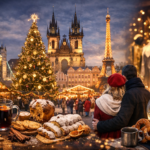
Europe blends many traditions. You’ll find both community-led religious events and large, public light art festivals. Below are key European cities and the kinds of experiences they offer.
Lyon, France — Fête des Lumières
- When: early December (around December 8).
- Why go: massive light art, projections on historic façades, music, family-friendly programming.
- Tip: Book hotels early and expect large crowds and busy transport. This festival mixes old city charm and modern art, making it one of Europe’s most photographed nights.
Paris & Versailles
- Paris: citywide illuminations, museum-led light installations, and special evening events around monuments.
- Versailles: occasional ticketed evening illuminations at the chateau or gardens.
- Tip: check event pages and book timed entries for special installations to avoid queues.
London, UK
- What to expect: winter light trails (botanical gardens and heritage sites), projection shows on the Southbank, community Diwali events in boroughs like Wembley and Southall.
- Tip: Use public transit; events can run late and schedules change.
Milan, Italy
- Why it’s special: Milan mixes light installations with fashion and design sensibility. Expect stylish, photo-ready installations often tied to galleries or Salone offshoot events.
- Tip: Pair light festivals with a fashion district walk or gallery visits.
Berlin, Germany
- What to expect: experimental, modern, and multimedia light art. Berlin’s scene supports immersive shows and museum late nights.
- Tip: check local art calendars and museum websites for late-night programs.
Other European highlights
- Amsterdam Light Festival — canal boat light routes and installations (Nov–Jan).
- Scandinavian capitals — winter pop-ups and garden illuminations.
- Smaller cities — local light trails, botanical garden shows, and community events year-round.
Europe’s festivals often combine history, civic pride, tourist programming, and community gatherings. They are excellent for short city breaks, family outings, and nighttime photography.
Fashion & Lifestyle — What to wear and why
Light festivals sit at the meeting point of theatre and street photography. Good outfits make the experience nicer and improve photos. Here are easy, practical ideas that look great in many European cities.
Outfit ideas by style
Chic urban (Lyon, Milan)
- Wool coat, silk scarf, leather ankle boots, and subtle metallic accessories that catch the light. These reflect projections and make photos pop.
Comfortable & photogenic (London, Berlin)
- Layered knitwear, waterproof boots, and a compact crossbody bag. Gloves with touchscreen tips are handy.
Festival-casual (outdoor trails)
- Insulated parka, thermal leggings, hiking-style boots, a beanie, and a small tripod for phone long exposures.
Community & family events (Diwali/Hanukkah)
- Diwali: modern kurta, sari with simple tailoring, or festive separates.
- Hanukkah: smart-casual dresses, neat sweaters, and blue/white accents.
Street-style tips
- Metallic accents and small reflective pieces look great in photos — but avoid dressing like it’s a costume.
- Avoid all-black outfits; small reflective items or light-coloured layers help you stand out.
- If you need special evening wear for just one event, consider renting — it’s cheaper and more sustainable than buying.
Sustainability in fashion
- Rent outfits, shop locally, and choose warm yet responsibly made pieces. Promote local designers and ethical makers whenever possible.
Food, Culture & Activities — Tastes and things to do
Food, crafts, and live events are at the heart of these celebrations. In Europe, you’ll find both local treats and imported festival specialties.
Diwali food highlights
- Mithai (sweets): Gulab jamun, kaju katli, laddu, and barfi are common.
- Savoury snacks: samosas, chaat, and spicy fried bites for sharing.
Hanukkah staples
- Latkes: potato pancakes are often served with applesauce or sour cream.
- Sufganiyot: jam-filled doughnuts that are fried as a nod to oil history.
European festival foods & markets
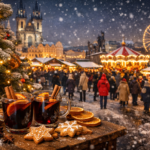
- Expect roasted chestnuts, mulled wine, and artisanal hot chocolate at winter light trails.
- Fusion stalls are common in big cities—Diwali sweets may sit beside local pastries. This mix is fun and offers cross-cultural tasting opportunities.
Activities to join
- Workshops: rangoli-making, diya painting, and family-friendly menorah crafts.
- Markets & craft fairs: buy artisan candle holders, lanterns, and handmade gifts.
- Shows & guided walks: projection mapping, live music, and light art tours are common.
Food and activities make these events social, hands-on, and memorable.
Etiquette, Safety & Eco Tips — Rules to follow
Good manners and safety make festivals better for everyone. Follow these simple rules.
Etiquette (be respectful)
- If you enter a temple, synagogue, or private ceremony, dress modestly and keep quiet during prayers.
- Ask permission before photographing people in private moments.
- Support local vendors—buying a small item helps the community and artists.
Safety (keep everyone safe)
- Keep candles and open flames away from children, pets, and fabrics.
- Use LED lights indoors as safer alternatives to real flames.
- If you plan to use fireworks, follow local laws and regulations. Many cities ban private fireworks to protect health and safety.
Eco-friendly tips (be kind to the planet)
- Choose LED decorations or biodegradable diyas.
- Avoid single-use plastic and prefer reusable decor or paper-based items.
- Prefer organized public displays instead of private fireworks to limit pollution.
Why eco rules matter: Fireworks and mass burning spike air pollution levels. This affects people with asthma and other conditions, as well as wildlife. Choosing low-impact options keeps the celebration joyful without harming health.
Light Festivals Compared — Quick reference table
| Festival/Event | Where | Best time | Vibe & highlights | Visitor tip |
| Diwali celebrations | India & diaspora; local events across Europe | Oct–Nov (date varies) | Family rituals, diyas, sweets, and optional fireworks | Book community dinners early; respect fireworks rules |
| Hanukkah gatherings | Synagogues & community centers | Nov–Dec (Kislev 25) | Menorah lighting, latkes, dreidel games | Join a community menorah lighting for a full experience |
| Fête des Lumières | Lyon, France | Early Dec (around Dec 8) | Large projections, historic architecture, family crowds | Pre-book hotels and plan public transit |
| Vivid Sydney | Sydney, Australia | May–June | Immersive installations, Opera House projections | Many installations are free; combine with coastal touring |
| Amsterdam Light Festival | Amsterdam, NL | Nov–Jan | Canal boat routes and installations | Book boat tickets early; dress warmly |
Travel Tips — Plan like a local
A bit of planning makes the experience smoother. Use these practical tips.
Booking & tickets
- Many city projections are free, but special installations, boat tours, or VIP experiences may be ticketed. Book early.
- For community events (Diwali dinners, Hanukkah gatherings), RSVP — spaces fill fast.
Budgeting options
- Low-cost: walk public projection routes and join free community events.
- Mid-range: timed-entry tickets and food from pop-ups.
- Splurge: rooftop dining during the show, private tours, or exclusive museum events.
When to arrive & what to bring
- Arrive before sunset for the blue hour — the best light for photos.
- Pack warm layers, waterproof boots, a hat, gloves, and a power bank. If you plan long-exposure photos, bring a compact tripod.
Local transport & logistics
- Use public transport—many cities extend services during festivals.
- Book hotels close to the action, but expect higher prices on peak dates. Consider staying one or two stops away if you want quieter evenings.
How to Host a Small “Festival of Lights” Evening — Step-by-step
You don’t need a big venue to create a memorable evening. Here’s a simple plan for a 1–2 hour home or community gathering.
Step-by-step timeline
Plan & invite
- Pick a theme (Diwali rangoli night, Hanukkah menorah gathering, or city-light movie night).
- Send invites and ask guests to bring a small dish or craft material.
Buy supplies
- Diyas or LED tealights, biodegradable decorations, sweets, disposable plates, matches, and a small first-aid kit.
Decorate
- Lay down a rangoli stencil or draw a simple chalk mandala.
- Set a stable menorah spot or candle table with non-flammable holders.
Evening program (1.5–2 hours)
- Welcome (5–10 min): greet guests and explain the plan.
- Short talk (5–7 min): a quick note on the festival’s meaning.
- Kids’ craft (20–30 min): paint diyas or make paper lanterns.
- Food and share (30–45 min): communal plates and tasting.
- Lighting moment (10–15 min): light diyas or the menorah together—sing or say a short blessing.
- Wrap-up: give small favor bags and ask guests to share photos with your hashtag.
Quick process table
| Task | When | Duration |
| Invitations & theme | D−7 | 15–30 min |
| Buy supplies | D−3 | 1 hour |
| Decorating | D | 30–60 min |
| Program/event | Evening | 1.5–2 hours |
| Clean-up | After | 30 min |
Recipes & Quick Cooking Tips — Easy European versions
These quick recipes use ingredients easy to find in Europe. Each short recipe can link to a detailed page on TrendyOccasion.com.
Gulab Jamun
- Ingredients: milk powder mix or paneer, sugar, and cardamom for syrup.
- Method: roll small balls, shallow-fry slowly on medium heat, soak in warm sugar-cardamom syrup until soft.
- Quick tip: Cook on medium-low so the inside cooks through without burning the outside.
Kaju Katli (simple no-bake)
- Ingredients: ground cashews, condensed milk.
- Method: mix on low heat until thick, press into a thin tray, chill, and cut into diamonds.
- Tip: Use a non-stick tray or grease lightly to avoid sticking.
Latkes
- Ingredients: grated potatoes, egg, flour, salt.
- Method: Squeeze moisture from grated potatoes, mix with egg and flour, spoon into a hot pan and shallow-fry until crisp.
- Serve: with applesauce or herb yogurt for a modern twist.
Sufganiyot (baked alternative)
- Method: make small dough rounds, bake instead of deep-frying, and fill with jam after baking for a lighter version.
Pros & Cons
Pros
- Memorable gatherings: lights, food, songs, and community.
- Great content: fantastic photo and video moments for social and editorial use.
- Cultural learning: exposure to rituals and shared traditions.
- Boosts local craft & economy: markets and artisans get more visibility.
Cons
- Crowds & noise: big events can be very busy and loud.
- Prices up: hotels and services often cost more during peak festival times.
- Weather & cold: many events are outdoors in late autumn/winter; pack warm layers.
- Air quality & pollution: fireworks and mass burning can affect health—avoid if you have breathing issues.
FAQs
A: It’s a broad term used for multiple celebrations where light symbolizes hope and renewal — notably Diwali and Hanukkah, as well as civic light festivals.
A: Diwali follows the Hindu Lunar calendar and typically falls between October and November; dates change each year. Check local community calendars for exact dates.
A: It commemorates the miracle where a small amount of lamp oil in the Temple burned for eight days until fresh oil became available.
A: Yes — most city light festivals are family-friendly with designated routes and safety teams. Follow on-site guidance and weather advisories.
A: Use LED lights, prefer biodegradable decorations, avoid private fireworks where possible, and choose community displays or light installations.
Conclusion
The Festival of Lights is much more than pretty night photos. It’s about community, history, and hope. Whether you light a diya for Diwali, a candle for Hanukkah, or walk through a city lit up by art installations, you join a long human tradition of using light to mark special moments. European cities offer many chances to experience these moments: from family community events to huge projection festivals that transform streets into galleries.