Introduction
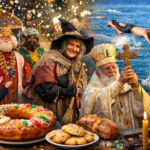
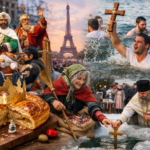
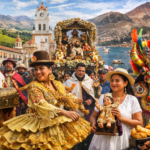
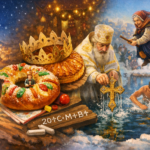
Every year on January 6, towns and cities across Europe come alive (spark, brighten) with ceremonies, parades, folklore, and family gatherings. Known also as Epiphany, Three Kings Day, La Befana, or Theophany, this day blends faith, story and local customs into scenes that are both solemn and joyous. You can watch colorful floats and actors in Spain, meet the Befana witch in Italy, or see priests bless the sea in Greece. People eat special cakes, share warm beverages, dress in winter style that can be fashionable yet practical, and join events made for children and grown-ups alike.
What is Epiphany? — Background & History
Epiphany is a Christian feast that marks the revelation (unveiling, manifestation) of Jesus to the world. In the West, it most often celebrates the visit of the Magi (Three Wise Men) who brought gifts. In the East, especially in Orthodox churches, Epiphany often marks the baptism of Jesus — called Theophany — which symbolizes God’s presence revealed in water. The Greek root epiphaneia means “appearance” or “manifestation.” The festival grew from early Christian liturgy and mixed with local customs as Christianity spread across Europe. Over centuries, church rituals blended with folklore: processions became parades, saints’ days became festivals, and sacred rites took on local flavors. Today Epiphany is both a religious day and a popular cultural event — a time for families, food, folk tales, and public gatherings.
Why Epiphany Matters in Europe
Cultural link: Epiphany connects liturgy, folklore, and public life. In many towns, the day keeps old stories and shared memory alive.
Family focus: In Spain and Italy the day centers on children and gifts; families get together for cakes and small rituals.
Tourism value: Parades, markets, and blessing rituals offer strong visual scenes that attract visitors and photographers.
Food culture: Special cakes, pastries, and sweets make Epiphany a tasty moment for locals and tourists. The food alone creates social media content and local pride.
Where Epiphany Comes Alive — European Hotspots & Trends
Spain — Cabalgata de los Reyes Magos (Three Kings Parade)
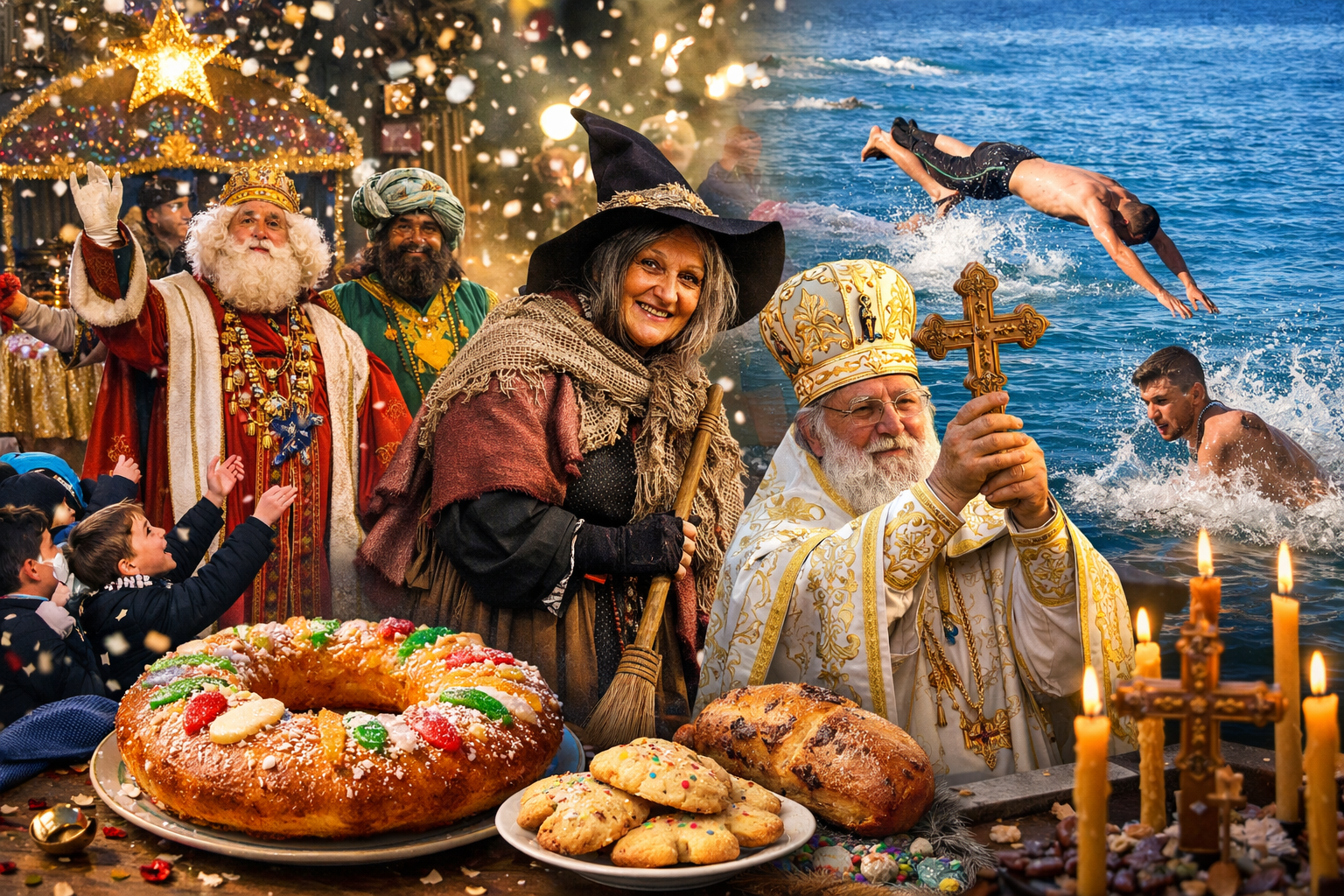
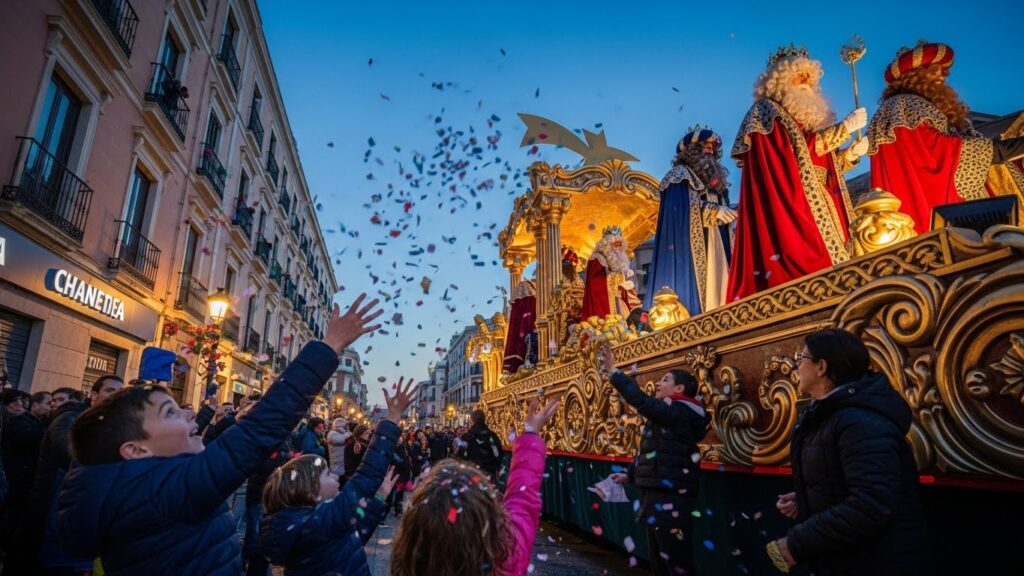
Spain’s Cabalgata (procession) is theatrical and full of color. On the evening of January 5, cities and towns stage parades with floats, music, performers, and often candy thrown to the crowd. Families watch and then celebrate gift-giving on January 6. The Roscón de Reyes, a ring-shaped sweet cake studded with candied fruit, is sliced at home; a small figurine hidden inside names a temporary “king.” Major cities like Madrid and Barcelona host large national parades that draw TV coverage and big crowds. Spain’s approach to Epiphany is both a civic spectacle and a family night.
Italy — La Befana & Regional Festivals
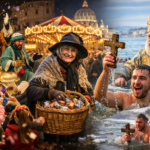
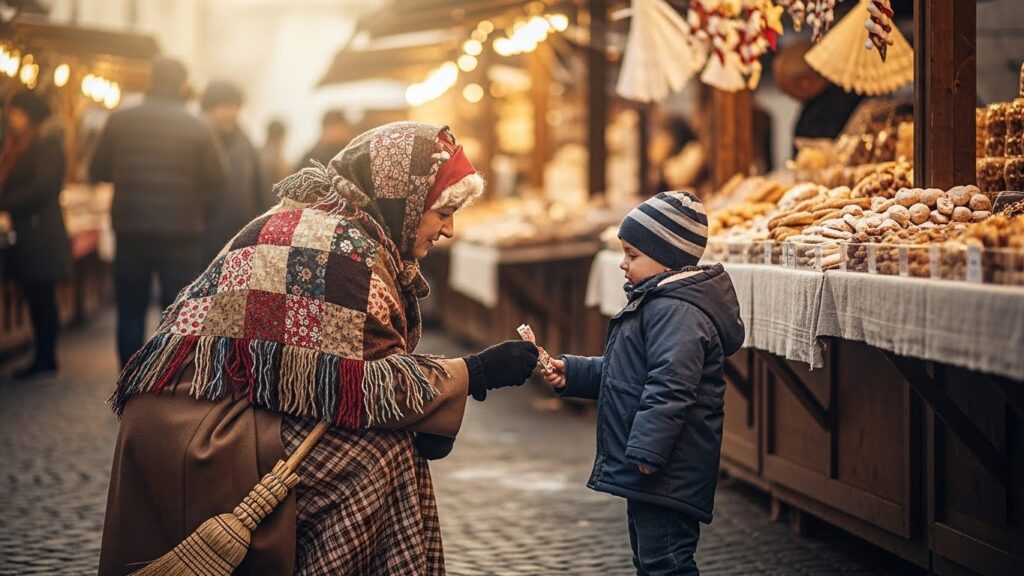
In Italy the folkloric figure La Befana — an old woman who flies on a broom and leaves sweets for good children (and coal for naughty ones) — is central. Markets, puppet shows, and Befana parades appear in towns such as Rome, Venice, and Urbania (a town famous for its Befana fair). Food stalls sell small cakes, cookies, and pinza bread. Many Italians combine church services with street festivities and family visits. The Celebrations feel intimate and often have a strong local, village-by-village flavor.
Greece & Eastern Orthodox Europe — Theophany and Blessing of the Waters
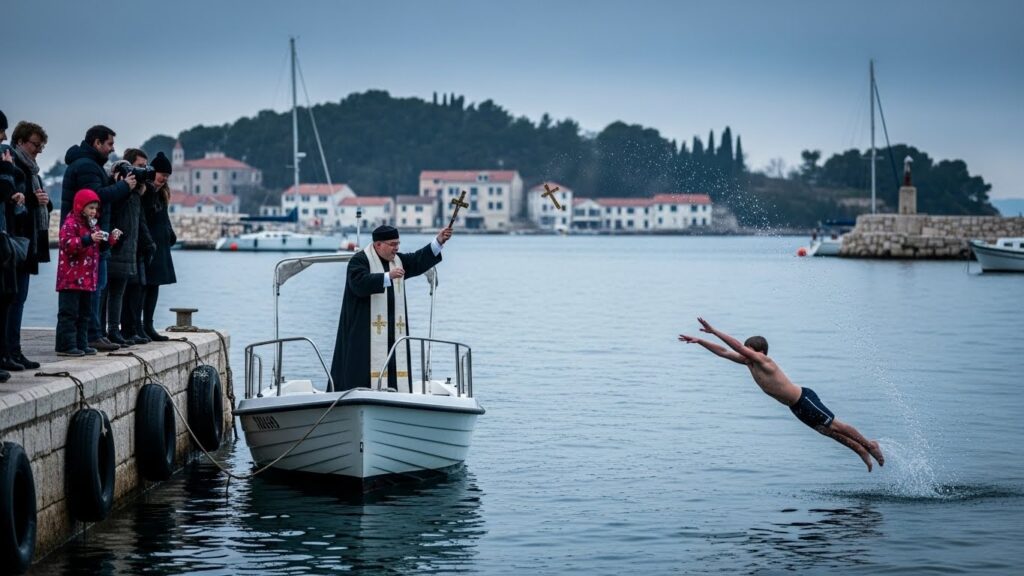
In Orthodox countries Epiphany — often called Theophany — emphasizes the baptism of Christ. On January 6 the priest blesses rivers, seas, or lakes. A cross is thrown into the water, and swimmers (often young men) dive to retrieve it. The event is dramatic, communal, and photogenic — a winter rite that blends belief, bravery and community spirit. Coastal towns and island ports make this a public festival with lots of local attendance.
France, Germany & Central Europe — Cakes, Church Services & Small Festivities
In France Epiphany is often celebrated with the Galette des Rois — a puff pastry cake filled with almond cream; a fève (tiny charm) is hidden inside. Austria, Germany and Central European nations tend to place a stronger emphasis on church services, nativity displays, and smaller folk events. Markets and processions may be quieter but are rich in local tradition.
Head-to-Head: How Spain, Italy and Greece Celebrate Epiphany (Comparison Table)
| Country | Key Custom | Best Cities to Experience | Family-Friendly? | Special Food |
| Spain | Cabalgata (Three Kings parade) | Madrid, Barcelona, Seville, Valencia | Yes | Roscón de Reyes (king cake) |
| Italy | La Befana (gift-bringing witch) | Rome, Venice, Urbania, Florence | Yes | Befanini, pinza, sweet breads |
| Greece | Blessing of the Waters; cross dive | Athens, Piraeus, Thessaloniki, island ports | Yes (watching) | Local winter dishes after service |
| France | Galette des Rois (king cake) | Paris, Provence towns | Yes | Almond frangipane galette |
| Central/Eastern | Church services & folk events | Kraków, Prague, Budapest | Varies | Regional pastries |
Fashion & Lifestyle — What to Wear for Epiphany Events
Because Epiphany occurs in January, layering is essential. You want to be warm but still look good for photos and videos.
For Parades (Spain — Cabalgata)
- Base layer: Thermal shirt or merino top.
- Middle layer: Sweater or thick knit.
- Outer layer: Wool coat, long padded parka, or tailored overcoat.
- Shoes: Waterproof boots or comfortable shoes for Standing.
- Accessories: Scarf, warm gloves, beanie.
Tip: Pick a bright accessory (a scarf, hat, or festive pin) to stand out in photos or reels.
La Befana Markets (Italy)
- Look: Smart casual — turtleneck, midi skirt or tailored trousers.
- Shoes: Leather ankle boots.
- Outer: Statement coat (plaid, camel or red) for stylish photos.
Style note: Italians favor clean lines and good fabrics — choose simple elegance.
For Theophany Ceremonies (Greece)
- Respectful dress: Avoid athletic wear inside churches.
- By the water: Bring windproof layers and a warm, waterproof jacket.
For Influencers & Content Creators
- Contrast: Dark coat + bright prop (king cake slice, confetti).
- Movement shots: Capture scarf or coat movement for dynamic reels.
- Hashtags to use: #EpiphanyInEurope, #ThreeKingsDay, #LaBefana, #EpiphanyFashion.
Food, Culture & Activities — What to Eat and Do
Food is central to Epiphany rituals across Europe. Each region has a signature dish or pastry that locals love.
Spain — Roscón de Reyes
A ring-shaped sweet bread decorated with candied fruits and often filled with cream. A tiny figurine (or bean) is hidden inside: the finder is the “king for the day.” This tasty bread connects to old Roman winter feasts and is a classic Spanish treat on January 6.
Italy — Befanini, Pinza & Regional Pastries
Towns across Italy sell small cakes and cookies, often citrus-scented or spiced. Urbania is famous for its Befana fair with stalls, shows and sweets. Families attend markets, enjoy pastry samples, and often give small gifts to children.
Greece — Post-Blessing Feasts
After the blessing of the waters, local communities gather for warm food and feasts. Expect robust winter dishes — stews, pies and shared platters — more than one single pastry tied specifically to Epiphany.
Activities & Events to Enjoy
- Parades & Street Shows: Great in Spain; theatrical floats and performers.
- Markets & Craft Fairs: Buy local sweets, dolls, and folk crafts.
- Religious Services & Blessings: See Theophany rituals in Orthodox regions.
- Children’s Workshops: Puppet shows, Befana storytelling, and craft events common in Italy and Spain.
Travel Tips — When to Go, Where to Stay & How to Save Money
Best Dates
Plan for January 5–6. Spain’s parades usually run on the evening of January 5; Greece’s blessing rituals are on January 6; Italy’s Befana events span January 5–6 and local weekends.
Top Cities & Why
- Madrid — grand Cabalgata parade and citywide events.
- Rome / Venice / Urbania — Befana markets and family festivals.
- Piraeus / Thessaloniki / island ports — dramatic Blessing of the Waters.
- Paris / Provence — Galette des Rois and refined pastry tradition.
- Smaller towns — authentic experiences and fewer tourists.
Tickets & Planning
- Parades: Most are free to watch; arrive early for a good spot. Big parades may have paid grandstand tickets.
- Festivals: Some special events (platform seating, VIP areas) sell tickets; check city tourism sites.
- Transport & Hotels: Book early if you want to be near parade routes.
Budget Hacks
- Stay in nearby small towns — they often have cheaper lodging.
- Use city passes that bundle museums and attractions around your trip.
- Travel mid-week if possible to get lower airfares.
Safety & Comfort
- Dress in layers and pack waterproof shoes.
- Keep kids close during candy-throwing or crowded streets.
- Be respectful during religious services — keep voices low and follow rules.
Practical Itinerary Ideas (2–4 Day Mini-Trips)
Madrid Mini (2 days)
Day 1 (Jan 5): Arrive, explore the historic center, secure a spot for the Cabalgata parade in the evening.
Day 2 (Jan 6): Try Roscón de Reyes, visit the Royal Palace, walk Retiro Park or local museums, enjoy tapas in the evening.
Rome + Urbania (3 days)
Day 1: Discover Rome’s main sights (Colosseum, Roman Forum, Trevi).
2 (Jan 6): Travel to Urbania for the Befana festival — markets, puppet shows, and pastry stalls.
Day 3: Return to Rome for shopping, relaxed strolls, and departure.
Greek Coast (3 days)
Day 1: Athens highlights – Acropolis and city center.
2 (Jan 6): Visit Piraeus or a nearby port to watch the Blessing of the Waters; see brave swimmers dive for the cross.
Day 3: Island day trip or archaeological site visit.
Pros & Cons
Pros
- Deep cultural experience with local traditions.
- Tasty traditional pastries and food.
- Great photo and video content for social media.
- Many events are free and open to families.
Cons
- Cold January weather requires good gear.
- Large crowds at major parades; plan early.
- Some museums or businesses may have limited hours on holidays.
- Travel and accommodation in top locations may be pricier.
Table: Quick Planning
| Task | When to do it | Tip |
| Book flights & hotel | As soon as possible | Choose a place near parade routes for best access |
| Pack warm clothing | 1 week before | Include waterproof boots and layers |
| Check event schedule | 2 weeks before | Use official tourism websites for exact timings |
| Plan photos & posts | 3 days before | Charge devices & bring spare memory cards |
| Learn local etiquette | Before travel | Keep quiet in churches; be respectful during rituals |
FAQs
A: January 6. Many cities hold events on the evening of January 5 as well.
A: Epiphany is the church feast. Three Kings Day is the Spanish/Catholic way of marking the visit of the Magi and usually involves gift-giving.
A: In many places (Italy, some parts of Spain, parts of Germany and Eastern Europe) January 6 is a public or regional holiday. Check local government calendars.
A: Tourists can usually watch. Swimming/diving in the ritual is often for locals or volunteers. Be respectful and follow local safety rules.
A: Local bakeries, markets and cafes around city centers sell Roscón de Reyes, Galette des Rois, Befana sweets and regional pastries during early January.
Conclusion
Use this guide as a pillar and create local subpages for Madrid, Rome, and Piraeus with exact event schedules, maps and image suggestions. Implement FAQ schema (FAQPage), Event schema for parades, and Article schema for the main post. Use image alt text with keywords such as Epiphany in Europe, Three Kings parade, La Befana. Internally link to related content like “Best Winter Fashion for Travel,” “Top Winter Pastries in Europe,” and local event pages. Publish short cluster posts (recipes, packing checklists, reel scripts) that link back to the pillar.