Introduction
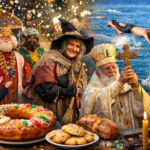
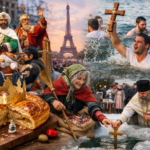
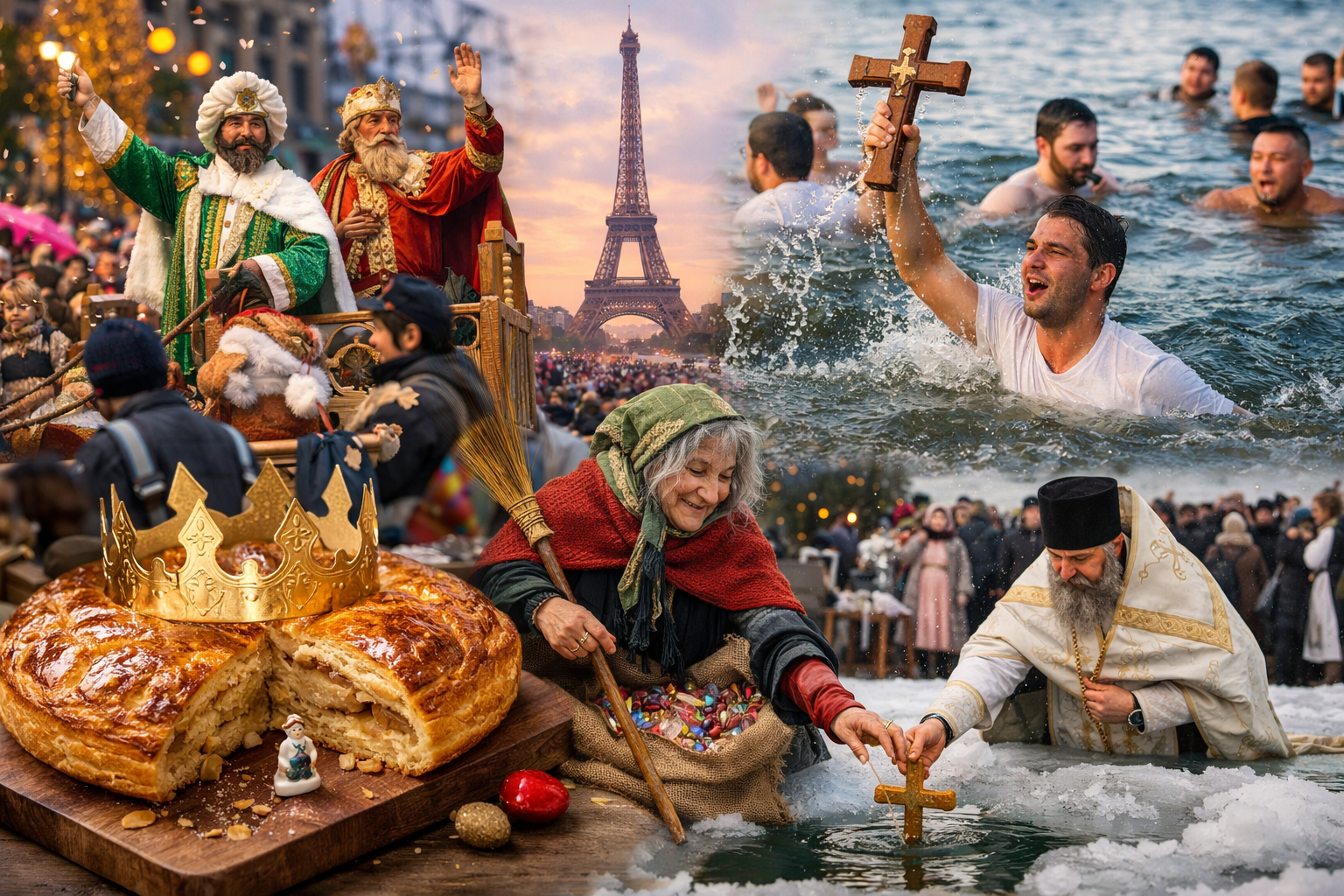
Epiphany 2026 is a special day many people around the world celebrate. Some call it Three Kings Day, others call it Theophany, and in Italy it mixes with La Befana. In 2026, Epiphany had big public events, quiet church services, family cakes and dramatic water blessings. People travel to see parades in Madrid, taste Galette des Rois in Paris, or watch the famous cross dive in Tarpon Springs (Florida).
What is Epiphany?
Epiphany is a Christian feast that marks when Jesus was revealed to the world. The most common story connected to this day is the visit of the Magi, also called the Three Wise Men or Three Kings. In Eastern Christianity, the feast often highlights the Baptism of Jesus, known as Theophany, and schools of faith place special focus on the blessing of water.
Epiphany 2026: Dates explained (Why dates differ)
- Traditional date: January 6. Most churches mark the feast on this day.
- Western (Roman) Catholic change: Many dioceses move the Solemnity to the Sunday between January 2 and January 8 so more people can attend services. In 2026, that Sunday was January 4, 2026. That means some public events and big celebrations happened then.
- Orthodox & calendar differences: Some Orthodox churches use the Julian calendar. For those communities, January 6 (Julian) often falls on January 19 (Gregorian). That means some Eastern events happen later in January.
Simple rule for travellers: Always check the parish, cathedral or city event page before you travel. Expect the bulk of Western events between Jan 4–6, but be ready for other dates in places with Eastern Orthodox traditions.
Major Epiphany 2026 events (Where to go)
Below are the main events that drew attention in 2026. There are different styles of events — pick what you like: food, family, liturgy, or spectacle.
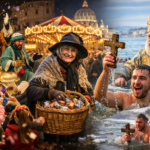
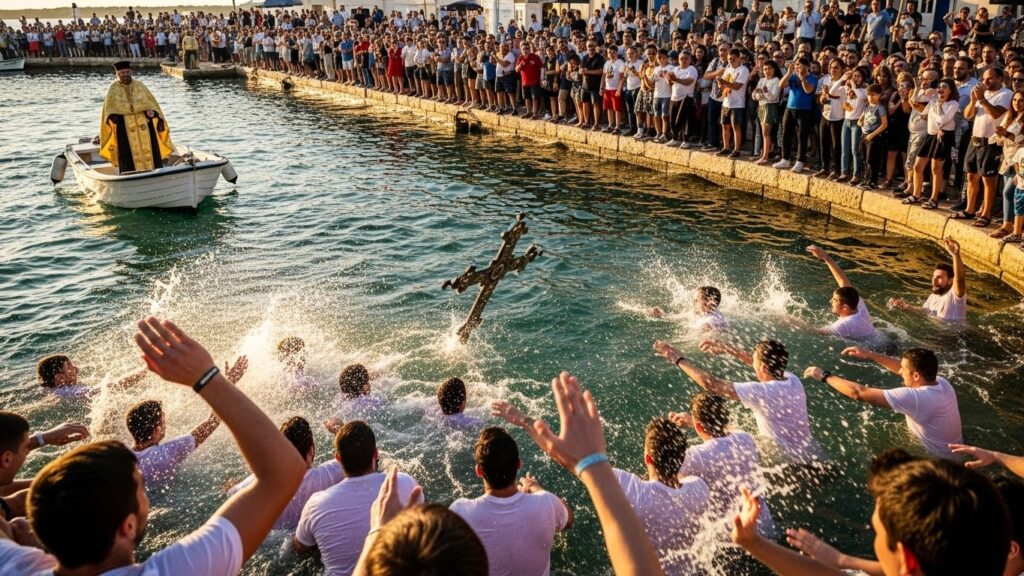
Tarpon Springs, Florida — Cross Dive (U.S.)
- What happens: Divers jump into the water to find a cross thrown in by priests. The diver who finds the cross is blessed.
- Why go: It is dramatic and rooted in Greek Orthodox tradition. It gives a strong sense of local identity and is a good photographic event.
- Tip: Expect big crowds and press. Come early for a good view; use public parking or shuttle info posted by the city.
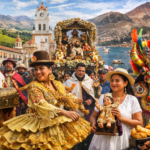
Madrid & Spain — Cabalgata de Reyes (Three Kings Parade)
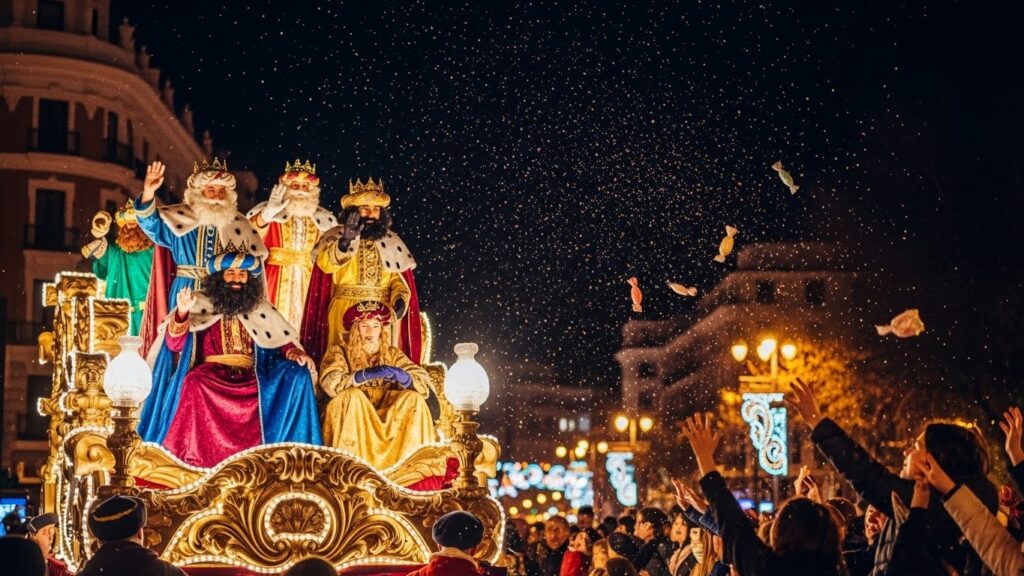
- What happens: On Jan 5, big floats, puppets and marching bands move through the city. The Three Kings throw sweets to children. Gifts are often opened on Jan 6.
- Why go: Family event, colourful and fun.
- Tip: Check the official Madrid tourism page for parade routes and safety advice.
Paris, France — Galette des Rois & pâtisserie culture
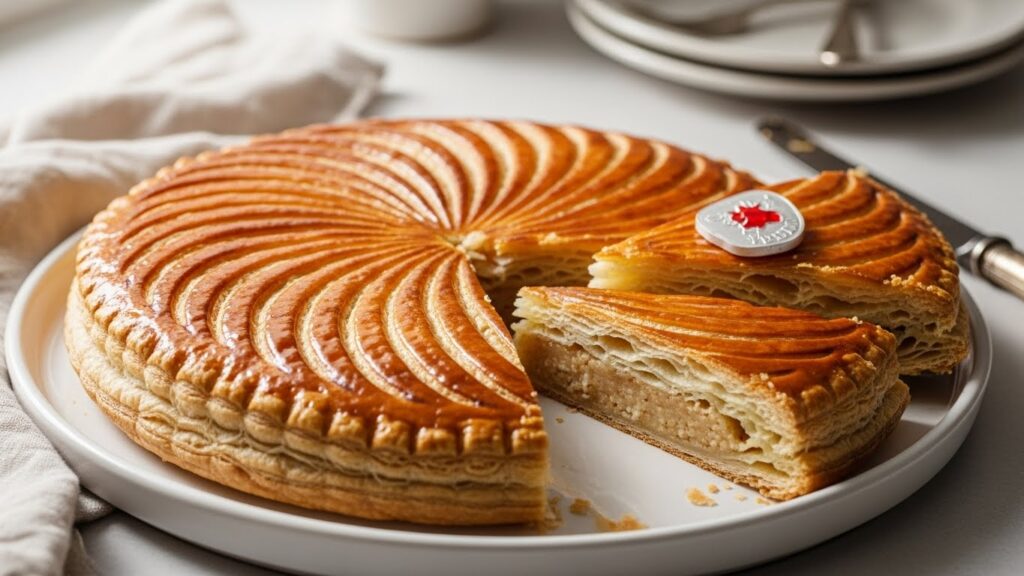
- What happens: Bakeries sell Galette des Rois all January. Families share the cake on Jan 6. A small token (fève) is hidden inside; the person who finds it is named king or queen for the day.
- Why go: Food lovers can try many artisan versions. Paris hotels and pastry shops often host special tastings.
- Tip: Try smaller, family-run boulangeries for unique flavours.
Rome, Italy — La Befana & Piazza events
- What happens: La Befana (a folkloric old woman) brings candy and small gifts. Markets and family shows fill the piazzas, especially Piazza Navona.
- Why go: Folk tradition mixing with liturgy and family fun.
- Tip: Best for families with kids who enjoy street shows and sweets.
Kyiv & Eastern Europe — Theophany water blessings
- What happens: Orthodox communities bless rivers and lakes; people sometimes take icy dips as part of the ritual.
- Why go: Deeply rooted tradition and powerful images for photographers.
- Tip: Dress very warm and respect local customs. Some ceremonies are solemn rather than festive.
European trend insights (Paris, Madrid, Rome, London, Berlin)
Europe mixes old traditions and new trends during Epiphany. Here’s what we saw in 2026.
Paris
- Trend: Pâtissiers created gourmet Galette variations — chocolate, citrus, pistachio and modern fillings.
- Why it matters: Food posts and recipe cards perform well in search and social. Pair images with downloadable recipe cards to boost dwell time.
Madrid / Barcelona
- Trend: Cities publish parade maps and family tips. There is strong interest in practical guides: where to stand, how to use public transport, and what time to arrive.
- Why it matters: Local logistics content captures families and travellers searching for city-specific guidance.
Rome / Italy
- Trend: La Befana markets and street theatre in major squares. Tourism boards push family activities and market guides.
- Why it matters: Content focused on kids’ activities and market shopping works well.
London
- Trend: Focus on choral music, historic liturgies and special church concerts. Visitors come for traditions and music.
- Why it matters: Cultural or historic angles attract readers who want a quiet, meaningful experience.
Berlin
- Trend: Community events run by Greek, Russian and Latin American groups. Small parades and pop-up bakeries are common.
- Why it matters: Niche community pages and local event lists draw searches from diasporas and curious travellers.
Fashion & lifestyle — what to wear and how to style it
Epiphany in Europe is cold and lively. Dress warm but stylish for better photos and comfort.
Outfit ideas by event
- Parades (Madrid, Barcelona): Warm layers, waterproof boots, thick scarf. Kids often wear costume pieces or festive headbands.
- Galette tasting (Paris): Smart casual — a wool coat, leather gloves, ankle boots and a neat scarf. Neutral colours photograph well against pastry displays.
- Church services (London, Rome): Dress neatly: tailored coat, modest knitwear, comfortable shoes. For evening concerts add a nice wrap or shawl.
Influencer and social ideas
- Short reels: “Galette taste test,” “How to watch the Cabalgata,” “La Befana sweets tour.”
- Photo ideas: Close-ups of pastry layers, wide shots of parade floats, family candid moments.
- Hashtags: #Epiphany2026, #ThreeKingsDay, #GalettedesRois, #Cabalgata2026.
Fashion tip: Warm shoes and quick-dry outerwear make the day enjoyable, especially for long outdoor parades.
Food, culture & activities
Food sits at the heart of Epiphany celebrations. Here are the key treats and cultural activities to explore.
Signature foods
- Galette des Rois (France): A round puff pastry cake filled with almond frangipane or modern flavours. There is a hidden fève inside.
- Roscón / Roscón de Reyes (Spain): A ring-shaped sweet bread topped with candied fruit. Often filled with cream and hiding a small figurine or bean.
- La Befana sweets (Italy): Traditional candies, roasted chestnuts and market treats served in piazzas.
Activities & markets
- Parades & processions: Major shows like Madrid’s Cabalgata involve floats, music and family gatherings.
- Church services & water blessings: Many Orthodox churches hold outdoor water blessings; these are solemn and moving.
- Bakeries & food tours: In Paris and other cities, you can book Galette tasting tours or visit top pâtisseries.
Travel tips — best places, dates, tickets & budgets
This travel planner helps you choose a city and plan costs.
Epiphany 2026 — Quick travel planner (table)
| City / Event | Best dates (2026) | Why go | Est. budget (2 ppl, 2 nights) | Tips |
| Madrid — Cabalgata | Jan 5–6 | Family parade, sweets | €350–€500 | Use metro; arrive early |
| Paris — Galette | Jan 4–7 | Pastries & tasting | €300–€450 | Book pastry tours early |
| Rome — La Befana | Jan 5–6 | Folk markets & shows | €350–€600 | Bring kids’ sweets bag |
| London — Services | Jan 4 | Historic liturgies | £250–£450 | Check concert listings |
| Tarpon Springs — Cross dive | Jan 6 | Spectacle + Greek culture | $500–$800 | Book hotels far ahead |
Booking tips
- Accommodation: Book 4–8 weeks ahead for big city events. For Tarpon Springs, book early due to demand.
- Tickets: Parades are mostly free. Some events offer paid VIP viewing areas — these fill up fast.
- Money saving: Use city transport passes and free walking tours to reduce costs.
How to celebrate Epiphany 2026 at home — rituals & printable checklist
You can celebrate Epiphany even if you stay home. These steps are simple and warm for family gatherings.
House blessing & chalking the door (step-by-step)
- Prepare the home: Clean main rooms and set a small nativity display.
- Light a candle: Place it near the nativity or an icon.
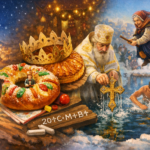
- Mark the door lintel: Use blessed chalk (if you have it) or a clean marker. Write 20 + C + M + B + 26. This stands for Christus Mansionem Benedicat — “May Christ bless this house.”
- Say a short blessing: “Lord God of heaven and earth, bless this home and all who live here; fill it with peace and charity.”
- Share a king cake: Whoever finds the token gets a small prize or becomes “king/queen” for the day.
Checklist idea: Put these steps into a printable PDF and offer it on TrendyOccasion to boost downloads and email sign-ups.
Comparison table — Western vs Eastern Epiphany practices
| Aspect | Western (Roman Catholic / Western Europe) | Eastern (Orthodox / Eastern Europe) |
| Primary focus | Visit of the Magi (Three Kings) | Baptism of Jesus (Theophany) |
| Typical date | Jan 6 / moved to Sunday (Jan 4 in 2026) | Jan 6 (Julian often Jan 19 Gregorian) |
| Common customs | Cakes (Galette/Roscón), chalking doors | Water blessings, cold-water plunges |
| Celebrations | Parades, family cakes, masses | River/lake blessings, icon ceremonies |
| Best for tourists | Food tours, family parades | Photo festivals, cultural authenticity |
Pros & Cons
Pros
- Diverse traditions: Offers religion, food, and spectacle in one season.
- Strong search interest in January: Good for SEO and travel content.
- Shareable assets: Recipes, printable checklists, and galleries boost engagement.
Cons
- News outlets cover big spectacles first: You must add evergreen value to compete.
- Date variations: Events differ by region and church; keep pages updated.
FAQs
A: Traditionally January 6. In many Western dioceses the solemnity was observed on Sunday, Jan 4, 2026. Some Orthodox calendars observe it later (often Jan 19) depending on the calendar used.
A: Tarpon Springs, Florida hosted its big cross dive and drew thousands in 2026.
A: A French king cake made of puff pastry with almond cream (frangipane or other fillings). A small token (fève) is hidden inside.
A: Yes. The parade is public and family friendly. Arrive early and use public transport. Check Madrid’s official page for times and route maps.
A: Many families write 20+C+M+B+26 over the door with blessed chalk and say a short blessing. Ask your local priest for specific prayers in your tradition.
Conclusion
Epiphany 2026 brings together faith, food and community. From bright floats in Madrid to sweet cakes in Paris, and from solemn water blessings in Eastern Europe to the dramatic cross dive in Tarpon Springs, the season gives travellers and families many ways to celebrate. Use this guide on TrendyOccasion (https://trendyoccasion.com/) as a pillar: add city pages, downloadable Galette recipe cards, a local events calendar and an embeddable photo gallery to first and I’ll create it now.