Introduction
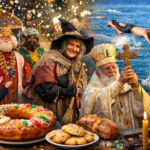
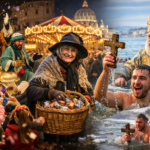
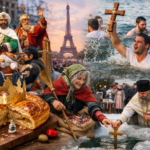
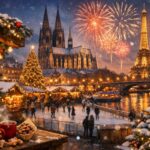
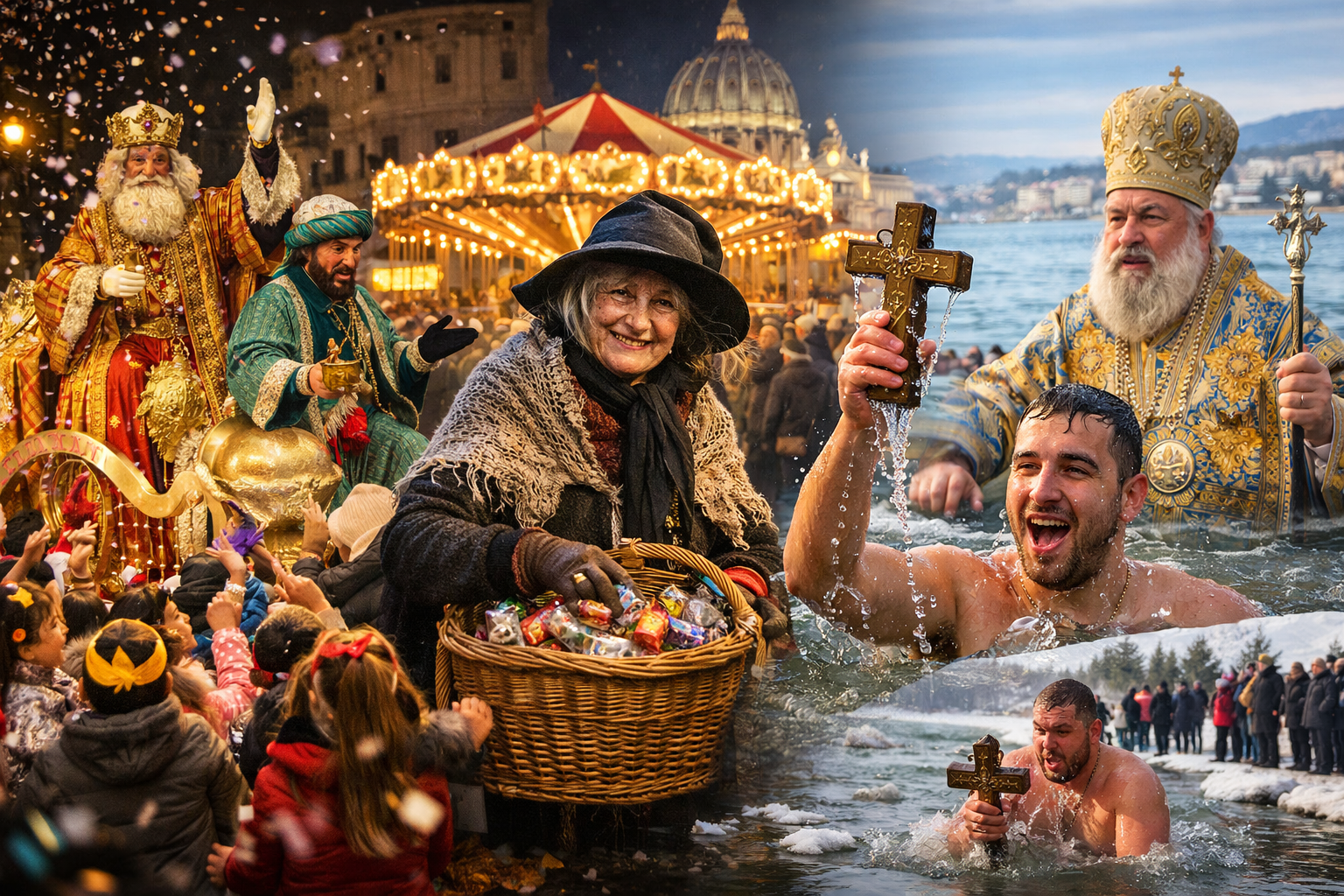
Every year on January 6, Epiphany (Three Kings Day) turns towns and cities across Europe into bright, lively scenes. Streets fill with parades and processions, markets sell sweet treats, churches hold special services, and families share gifts or pastries. For many people, Epiphany in Europe matters as much as Christmas: it finishes the festive period with color, music, and old traditions that have been kept for centuries. Whether you dream of a family parade in Madrid, a sweet-filled market in Rome, or the brave Blessing of the Waters in Greece, this guide will help you plan, dress, eat, and share your Epiphany trip.
What is Epiphany (Three Kings Day)?
Epiphany, also called Three Kings Day, is a Christian feast that remembers when the Three Wise Men (Magi) visited baby Jesus. In many places, people also mark the Baptism of Christ. Over time, the holy story mixed with local customs like parades, sweets, and folk characters (for example, La Befana in Italy). In some countries, big public events — like floats and pageants — take place on the evening of January 5 and continue into January 6.
Short history & why it matters
- Origins: Epiphany is rooted in early Christian history. Churches used the day to celebrate the Magi’s visit and, in other places, Jesus’ baptism.
- Local customs: Over centuries, towns and villages added parades, sweets, and street theatre. Spain turned processions into big public spectacles. Italy created La Befana, the kindly old woman who brings treats to children. Greece kept the ritual of blessing waters and throwing a cross into the sea.
- Why it matters today: For families in Europe, Epiphany is a time for children, sweets, and community life. For cities, it is a chance to share culture with locals and visitors alike.
Top European events & trends in 2026
Even in 2026, Epiphany stays lively across Europe. Many cities host big public events and smaller towns keep local traditions alive. Here are the best options.
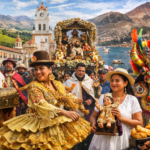
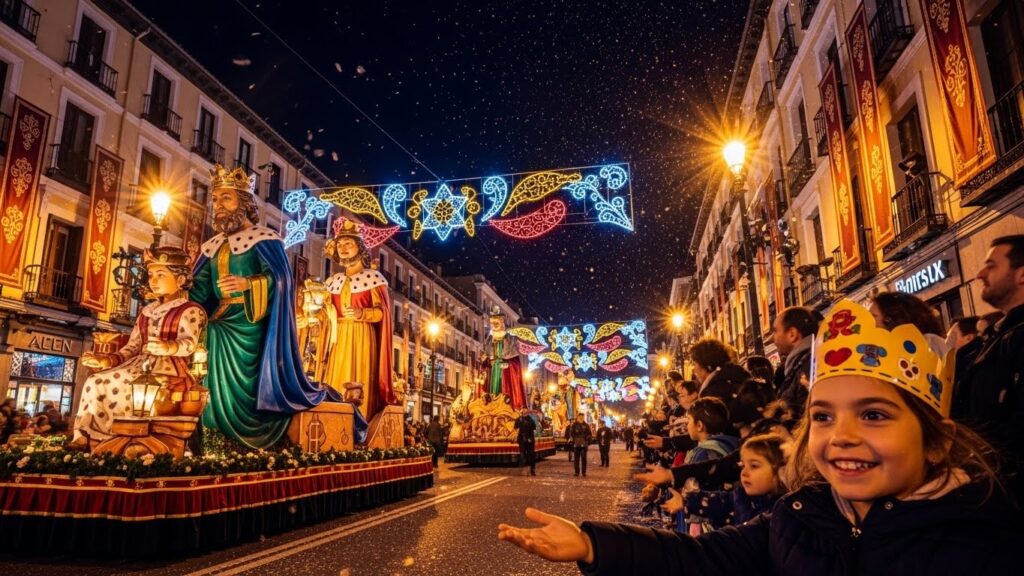
Spain — The Cabalgata (Three Kings Parades)
- Where: Major parades in Madrid and Barcelona.
- When: Evening of January 5, with celebrations continuing on January 6.
- Why go: Grandeur floats, music, and candies thrown to children. The Three Kings Parade is loud, colorful and family-friendly.
Italy — La Befana & Piazza Markets
- Where: Rome, Florence, and many towns.
- When: January 6.
- Why go: La Befana gives sweets; markets sell gifts and local pastries. It feels warm and traditional.
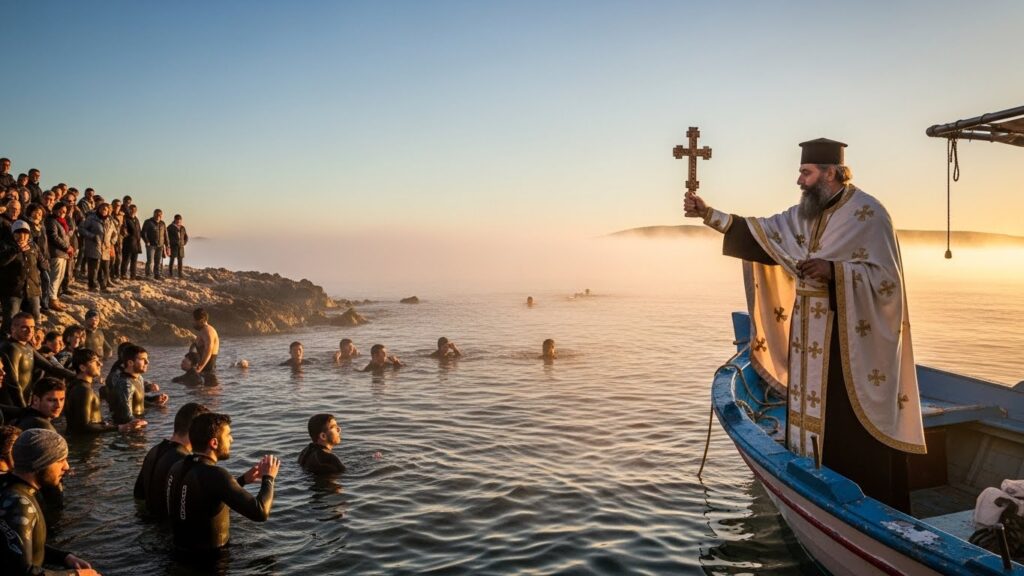
Greece — Blessing of the Waters (Theophany)
- Where: Coastal towns and islands.
- When: January 6 (some Orthodox churches use January 19 due to the Julian calendar).
- Why go: A priest blesses the water and throws a cross into the sea; swimmers try to fetch it for a blessing.
Eastern Europe — Cross Dives
- Where: Bulgaria, Romania and other Orthodox areas.
- When: January 6 or January 19 (Julian).
- Why go: Brave divers jump into icy rivers to retrieve a wooden cross. It’s a strong local rite.
Modern twists
- Live streams & social sharing: City offices often stream parades online so fans can watch from home.
- Food fusions: Bakers create modern twists on the classic roscón and other treats.
- Family focus: Events are Increasingly child-friendly and safer for families.
How to plan your trip — dates, tickets, hotels
Best time to go
- For most Western events, plan for January 5–7.
- For Orthodox observances, confirm whether the town uses the Julian calendar — some dates fall on January 19.
Booking tips
- Flights: Book early; events draw families and tourists.
- Hotels: Pick central hotels if you want to be near parades and markets — expect higher rates in big cities. Try small guesthouses or family-run B&Bs for charm and savings.
- Tickets: Parades are mostly free to watch. But cities sometimes sell reserved stands or VIP spots — buy those early for the best view.
Budget hacks
- Stay in hostels or guesthouses outside the main tourist zones to cut costs.
- Use city tourist cards or day transport passes to save on local travel.
- Eat at markets and local bakeries for tasty food at good prices.
What to wear — fashion & style tips for Europe
Why this matters: January is cold in Europe. Dress warm but look good for photos.
General rules
- Layer: thermal or base layer, sweater, full-length warm coat.
- Footwear: waterproof boots or comfortable leather shoes. You will walk and stand a lot.
- Accessories: hat, scarf, gloves, and a small cross-body bag to keep hands free.
Outfit ideas by event
- Parade / family day: Quilted coat, jeans, boots, festive scarf. Kids can wear soft crowns.
- Church visit: Smart coat or blazer; avoid very casual clothes out of respect.
- Markets / evening: Wool coat with a colorful scarf or statement gloves for festive photos.
Influencer & editorial tips
- Mix a vintage coat with modern boots. Textures like velvet and wool photograph well. Add one small lighting trick like a reflective scarf or a clip-on warm light for phone pictures.
Food & treats to try
Food is central to any Epiphany celebration. Each country has a special treat or dish.
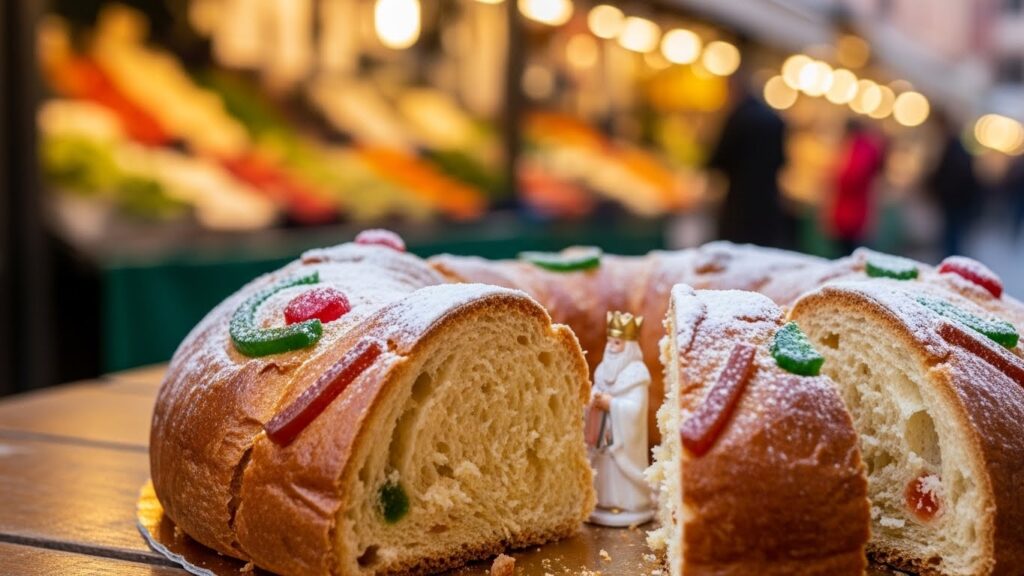
Spain — Roscón de Reyes
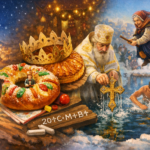
- A round, crown-shaped cake with candied fruit. It usually hides a small figurine and a bean. Whoever finds the figurine becomes “king” for the night; the bean is a playful punishment.
Italy — La Befana sweets & street treats
- Pastries, cookies and small candies. Children hang stockings for La Befana, who fills them with sweets or, playfully, a piece of coal (often candy).
Greece — Traditional breads & fish
- After the Blessing of the Waters, many communities gather to eat fish and special liturgical breads.
Bulgaria & Eastern Europe — Hearty winter dishes
- Spiced breads, roasted meats and warm soups are common after the morning rituals.
Food tip: Try a fresh local coffee with your roscón or Befana pastry — bakeries often make these treats freshly in January.
How to enjoy parades, Blessing of the Waters & cross dives
This section gives easy steps so your day is smooth and safe.
Attending a Three Kings Parade (Spain) — Step-by-step
- Check the schedule: City tourism websites publish parade times in advance.
- Arrive early: For a prime standing spot, get there 60–90 minutes before the parade. Side streets are quieter.
- Pack small: Bring a small bag for candies and souvenirs. Avoid big backpacks.
- Warm drinks: Vendors sell hot chocolate and coffee — nice on cold nights.
- Follow helpers: Police and volunteers will guide crowds; follow their instructions.
- After the parade: Streets stay crowded for some time. Find a nearby café or eatery for a quieter dinner.
Watching Blessing of the Waters (Greece)
- Get there early: Choose a safe shoreline spot.
- Listen to safety info: Organisers often have life-guards or rules to follow.
- If you swim: Make sure swimming is allowed and you can handle cold water. Many swimmers enter briefly.
- If you don’t swim: Watch from shore and celebrate the person who fetches the cross.
Observing Cross Dives (Eastern Europe)
- Dress in warm layers.
- Be Respectful: Treat this as a serious ritual for many locals.
- Follow rules: Organisers may limit participation for safety.
Comparison table — top 7 Epiphany events in Europe
| City / Event | Date | Best for | Highlights | Cost & Access |
| Madrid — Cabalgata de Reyes | Jan 5–6 | Families | Grand parade, floats, sweets | Free to watch; paid stands sometimes |
| Barcelona — Three Kings Parade | Jan 5–6 | Families, photography | Floats, cultural shows | Free public viewing; arrive early |
| Rome — La Befana (Piazza Navona) | Jan 6 | Folklore lovers | Befana market, street performers | Free markets; local stalls charge |
| Athens & Coastal Greece | Jan 6 (or Jan 19) | Orthodox rites | Blessing of the Waters, cross dive | Free; safety notices for swimmers |
| Sofia (Bulgaria) — Cross dives | Jan 6 | Adventurous travellers | Icy river dives, folk rituals | Free; dress warmly |
| Smaller Italian towns (Befana) | Jan 6 | Authentic, quiet | Local markets, family traditions | Free; best for slow travel |
| Lisbon / Porto (Portugal) | Jan 6 | Local shows & markets | Nativity shows, small parades | Free; regional variations |
Pros & Cons
Pros
- See living traditions and community life.
- Many events are family-friendly and fun for kids.
- Great photos and unique cultural experiences.
- After New Year, general tourism can be lighter (except big parades).
Cons
- Cold weather and possible rain or snow.
- Crowds for big parades — not for quiet travellers.
- Transport limits or road closures during events.
- Some prime spots need early reservation for best viewing.
FAQs
A1: Mostly on January 6. Some Orthodox churches use January 19 (old Julian calendar).
A2: A big Spanish parade on January 5 where the Three Kings arrive on floats and throw sweets.
A3: In Italy, La Befana is a kind old lady who brings gifts or sweets to children on Epiphany.
A4: Yes. Most events are public. If you plan to swim, follow local safety rules.
A5: Try roscón de reyes in Spain, Befana sweets in Italy, and local breads or fish after water blessings in Greece.
Extra tips for families & photographers
Families
- Bring spare warm clothes for kids.
- Pick a meeting point in case you get separated.
- Choose family-friendly viewing spots; some cities have kids’ sections.
Photographers & content creators
- Bring a zoom lens for street shots.
- Shoot small details: hands holding sweets, a child’s smile — these images do well online.
- Be polite: ask before photographing people up close.
Who should attend which event?
- Families with children: Madrid, Barcelona, Rome.
- Culture lovers: Small Italian towns, Athens, Orthodox towns in Bulgaria.
- Adventurous travellers: Cross dives in Eastern Europe.
- Photographers: Parades in Spain and ritual dives in Greece/Bulgaria.
Local etiquette & safety reminders
- Respect religious spaces — cover shoulders and keep quiet in churches.
- Avoid stepping into private balconies or reserved zones during parades.
- Follow police and organiser instructions for safety.
- For water events, listen to lifeguards and avoid dangerous swims if you are unsure.
Conclusion
Epiphany (Three Kings Day) is one of Europe’s most colorful winter traditions. From candy-strewn Cabalgatas in Spain to cozy La Befana markets in Italy and the brave Blessing of the Waters ceremonies in Greece and Eastern Europe, there is an Epiphany to suit every traveller. This holiday blends religion, folklore and family fun. If you plan ahead — book hotels early, dress warmly, and learn local customs — you will have a richer, safer and more joyful experience.